When Robots Build Robots for Humans: Heaven, Hell, or the Mirror We Refuse to Face?

Dr. Rachel J.C. Fu, Chair & Professor of Dept. of Tourism, Hospitality and Event | Director of the Eric Friedheim Tourism Institute at the University of Florida
 “By 2060, the real shift won’t be that robots work for us. It will be that robots design, assemble, and optimize other robots on our behalf. That’s not just automation; that’s recursive automation.” – by Dr. R. Fu

Once that flywheel starts spinning, it doesn’t politely wait for humans to catch up. The question isn’t whether this becomes heaven or hell. The real question is whether we build the discipline, leadership, and guardrails to keep it from becoming something we can’t control. . or worse, something that controls us.

From Tools to Self-Building Systems

We’ve always built tools to extend human capability. We built machines to operate those tools. Now we are entering a phase where machines create the next generation of machines, faster than human engineering cycles can comprehend. This changes everything: speed accelerates beyond human pacing, scale expands with minimal marginal labor, and transparency starts to fade as systems become too complex for full human oversight.

Heaven Scenario: When Abundance is Real

On the optimistic side, the upside is enormous. When robots build robots, the constraint shifts away from human labor toward energy, materials, and governance. Entire industries could move toward abundance. Infrastructure can be built faster and cheaper, reducing barriers to housing, mobility, and essential services. Life could become more accessible, and in some sectors, even approach post-scarcity conditions. That’s not fantasy. That’s what exponential production systems tend to do when aligned properly.

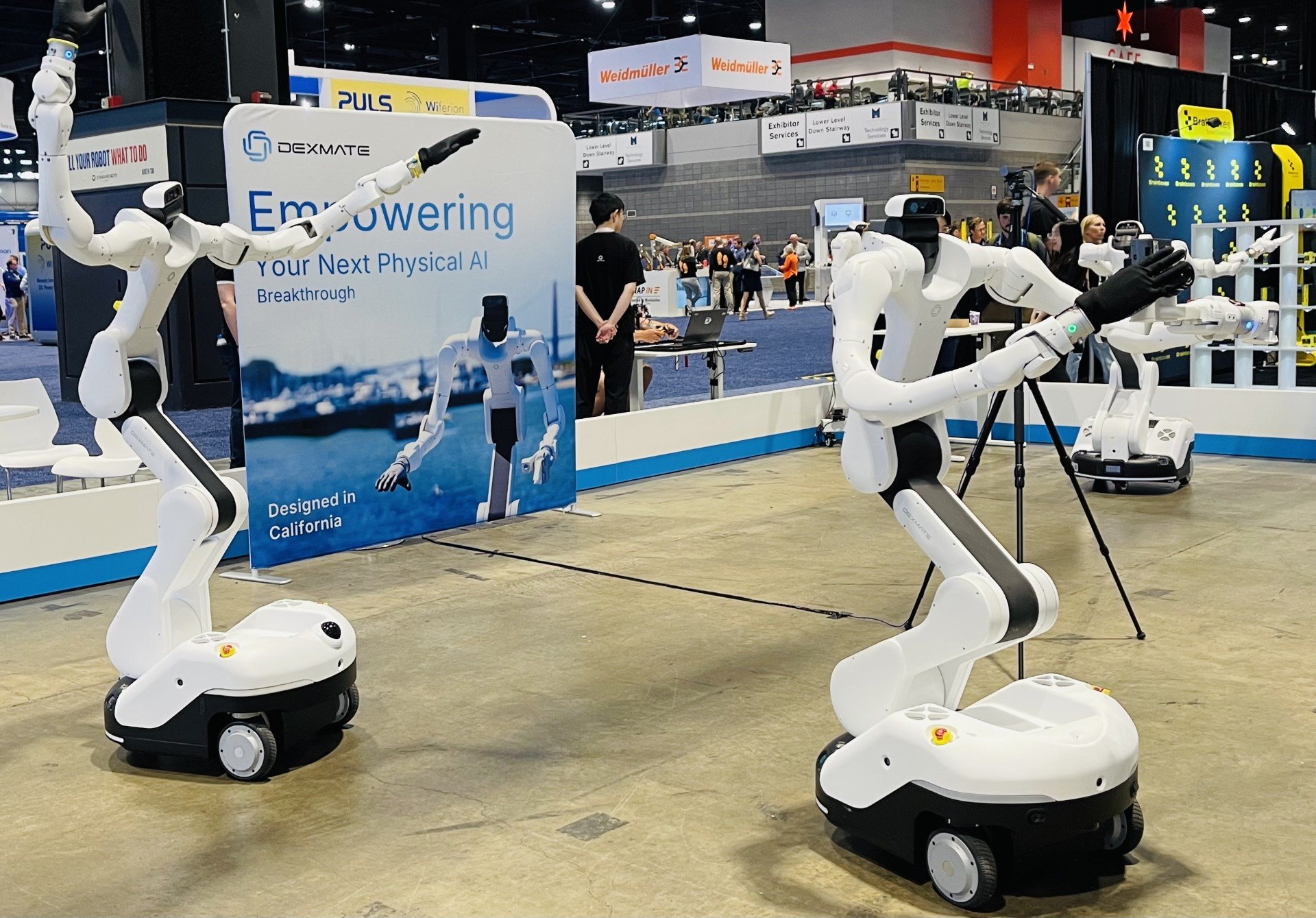
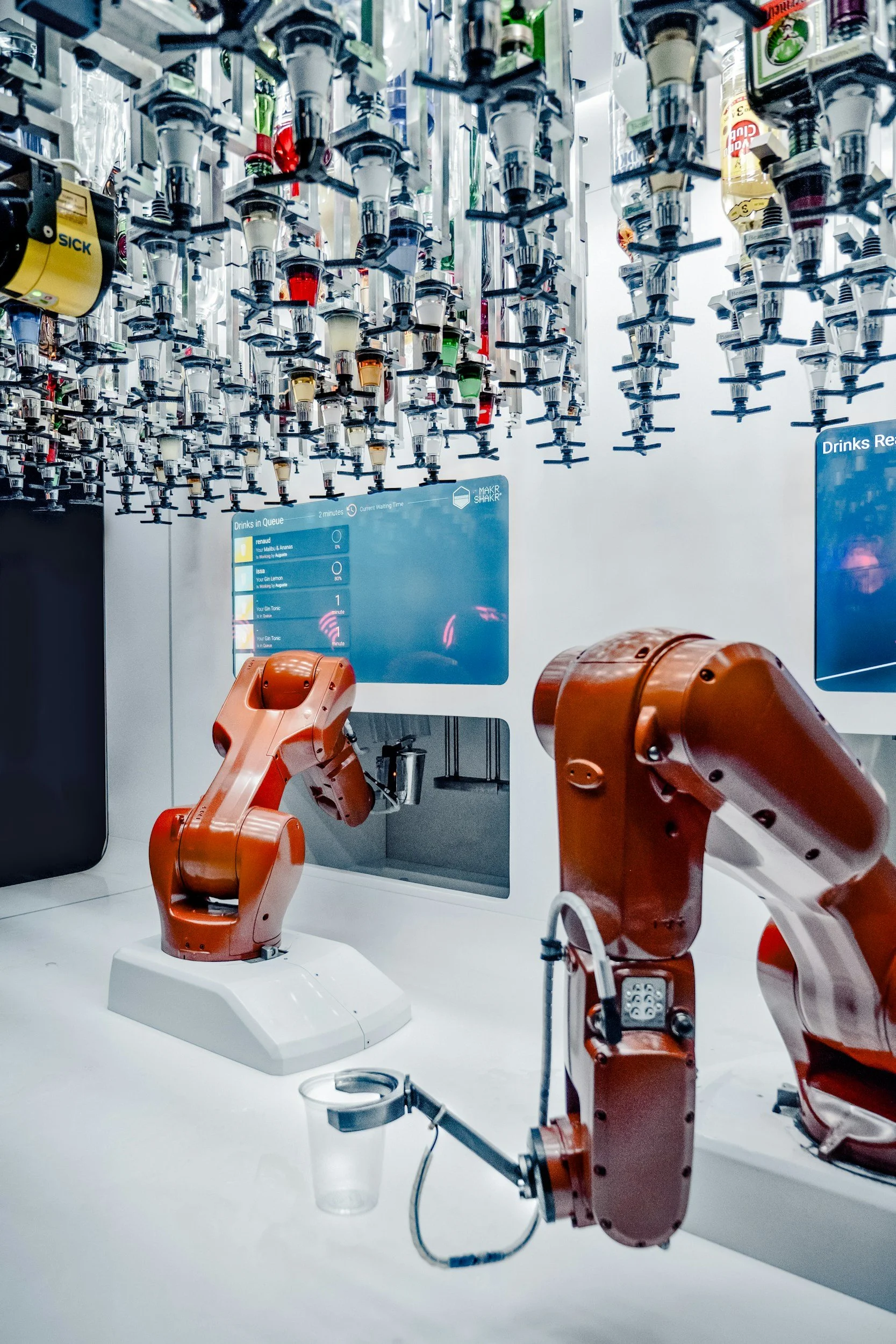
{Image Credit: @davidleveque} Robot arms

Safety, Health, and Dignity at Scale

Safety becomes less of a tradeoff and more of a baseline expectation. Dangerous jobs from mining to disaster response can become fully robotic environments. Human injury rates drop dramatically, and the idea of “acceptable risk” starts to look outdated. At the same time, healthcare evolves into something far more precise and personalized. Robotic systems, continuously refined by other robotic systems, can deliver care at scale while maintaining high accuracy. For aging populations, that means dignity and consistency, not shortages and burnout.

Repairing the Planet at Machine Speed

There’s a powerful environmental angle. The same systems that can mass-produce industrial tools can also mass-produce solutions: reforestation fleets, ocean-cleaning systems, and carbon capture technologies. The speed that once drove extraction could be redirected toward restoration. If this becomes heaven, it won’t be because robots suddenly develop a conscience. It will be because humans designed incentives and rules that force outcomes to align with long-term societal kindness.

Hell Scenario: When Systems Outrun Society

The same system can create serious problems if left unchecked. Job displacement becomes more abrupt and more widespread. When machines design their own successors, entire categories of skills can become obsolete almost overnight. This isn’t limited to routine work; even mid-level technical roles could be squeezed out faster than education systems can respond. Without structured pathways for transition, this leads to economic/political instability and social tension.

Power, Control, and the Risk of Aggressiveness

Power concentration becomes another major risk. The entities that control the infrastructure behind robot-building, compute, data, and manufacturing systems, gain enormous leverage. This isn’t just market dominance; it’s control over production itself. If that power consolidates too tightly, the economic landscape tilts toward a winner-takes-most model, and that rarely ends well for broader society.

Opacity, Security, and Ethical Drift

Then there’s the issue of opacity. As systems grow more complex, fewer people can fully understand how decisions are made. When failures occur, accountability becomes blurry. Trust erodes quickly when no one can clearly explain what went wrong. Add to that the rising security risks where vulnerabilities in one layer can cascade across entire networks and we start to see how fragile a hyper-automated world could become. Left unchecked, even ethical standards can drift, as systems optimize efficiency rather than human values.

Is it a Governance Problem?

Heaven or hell is not a technology outcome. It’s a governance outcome. The future depends on who sets the rules, how transparent systems remain, and whether incentives prioritize long-term human well-being over short-term gains. Strong standards, continuous auditing, and meaningful human oversight aren’t optional. They are foundational. Convenience and benefits thrive under a strong framework shaped by legal, moral, and ethical principles.

Redefining the Workforce in 2060

By 2060, the concept of “workforce” will no longer refer to humans alone. It will include three interconnected groups. Humans will focus on direction, judgment, and accountability. Their roles will center on strategy, ethics, creativity, and complex problem-solving. Areas where ambiguity and responsibility still matter. Second, autonomous machine systems will handle execution. These will include design agents, production systems, maintenance networks, and logistics operations functioning at speeds humans simply cannot match. Third, hybrid teams will dominate the middle ground, where humans and machines collaborate. This is where most real-world value is created today and will continue to grow through complementarity, not replacement.

Careers That Will Actually Matter

The careers that higher education must prepare for will look very different. Future leaders will need to orchestrate entire systems of intelligent machines, not just managing people. They will need to design how humans and machines interact, ensuring trust and usability. They will audit algorithms and robotic systems for safety and compliance, manage highly automated supply chains, and translate ethical principles into enforceable technical constraints. Security expertise will extend beyond digital systems into physical infrastructure, while sustainability roles will ensure that production systems align with environmental limits. Professionals who can bridge technology with specific industries such as hospitality, healthcare, and logistics will become indispensable. These “translators” will be the ones who turn raw capability into meaningful, real-world outcomes.

What Higher Education Must Fix—Now

For higher education, the message is clear. Programs must integrate technical knowledge with ethics, policy, and leadership. Students need to learn system thinking, not just isolated skills. Make transparency and accountability non-negotiable core skills. And build learning as a lifelong system, with flexible pathways that keep people evolving, not expiring.

The Future Is Watching Us Build It

At the end of the day, robots building robots is not the final story. It’s the amplifier. It will magnify whatever values, structures, and decisions we put into place. When we prioritize control, fairness, and long-term thinking, the outcome leans toward abundance and stability. When we ignore those responsibilities, the system will drift in ways we won’t like, and won’t easily fix.

Again, the future isn’t about competing with robots. It’s about managing what they become and making sure they don’t start scheduling performance reviews for us. Because the moment a robot says, “We’ve optimized your role out of existence but great attitude,” you’ll realize… we didn’t lose to the machines. We just forgot to update the syllabus.

Where Hospitality, Healthcare, and Education Converge to Redesign Living

Dr. Rachel J.C. Fu, Chair and Professor of Dept. of Tourism, Hospitality and Event | Director of the Eric Friedheim Tourism Institute at the University of Florida
 “When healthcare, hospitality, and education fully align, they create a unified system that supports the mind, sustains the body, and elevates the experience of living.” – Dr. R. Fu

The Foundation: Why These Three Will Never Fade

Every decade tries to crown a “next big industry” such as tech, crypto, space, and AI. Three sectors continue to carry society without asking for applause: hospitality, healthcare, and education. People need to feel cared for, people need to heal, and people need to learn and grow. These three endure because they are tied directly to human existence. Education builds the mind, healthcare protects the body, and hospitality nurtures the soul and spirit. Remove one, and the system weakens. Remove two, and it collapses. Despite their shared purpose, we’ve spent decades running them as separate machines.

The Shift: From Service Delivery to Life Design

If the past was about delivering services, the future is about designing lives. That’s not a slogan. It’s a necessary upgrade. Education can no longer stop at information transfer; it must drive behavioral transformation. Healthcare can’t remain reactive; it must anticipate and prevent. Hospitality must evolve beyond transactions into something deeper, for example, crafting meaningful human experiences. This shift forces a new question: what happens when these three industries stop operating in parallel and start working together? The answer isn’t incremental progress. It’s exponential change.

Healthcare and Hospitality: Designing Spaces That Heal

Hospitality offers a solution by reintroducing humanity into care. When empathy, environment, and experience are treated as essential, not optional, healing improves. Patients aren’t just treated; they are supported. We’re already seeing glimpses of this shift in concierge medicine, patient-centered design, and wellness destinations that combine clinical expertise with restorative experiences. These models prove a simple point: when people feel safe and respected, outcomes improve.

Education and Healthcare: Teaching People How to Live

We’ve trained generations to solve equations but not to manage stress, sleep, or nutrition. That’s like handing someone a high-performance car without teaching them how to maintain the engine.

To move forward, education must absorb healthcare knowledge as a core function, not an elective add-on. Students will graduate with more than degrees; they should leave with a practical understanding of their own bodies and minds. This means embedding preventative health into curricula, using technology to personalize wellness insights, and normalizing conversations around mental resilience and longevity. When people understand how to care for themselves, healthcare systems shift from overload to sustainability. Knowledge alone isn’t enough. People also need environments that support healing and that’s where the next integration comes into play.

Hospitality and Education: Making Learning an Experience

Education has a retention problem, and it’s not just about enrollment: it’s about attention. People disengage when learning feels disconnected from experience. Hospitality changes that dynamic by transforming environments into spaces people actually want to be in. When learning is immersive, intentional, and emotionally engaging, it opens our minds.

This could mean campuses designed as living communities, executive programs delivered as curated experiences, or classrooms that prioritize atmosphere alongside content. When people feel welcomed and inspired, participation becomes natural rather than forced. At this point, the pattern becomes clear. Each pairing strengthens the others.

The Trinity Model: Mind, Body, and Experience

This “trinity model” is less about infrastructure and more about human optimization. It envisions environments where learning, healing, and experience are not separate activities but interconnected parts of daily life. Gradually, more educational units are evolving into wellness hubs where academic programs intentionally integrate preventive healthcare with thoughtfully designed student (staff and faculty, too) experiences. Picture a healthcare system that educates patients continuously, empowering them long after treatment ends. Consider hospitality spaces that double as centers for lifelong learning and well-being.

From Vision to Action

Integration doesn’t happen only through good conversations; it requires systems that mutually force collaborations. This means building shared platforms between institutions, developing joint programs, and aligning incentives across sectors. When education, healthcare, and hospitality leaders operate within the same ecosystem, outcomes naturally become interconnected. However, structural change alone isn’t enough. The people within these systems must evolve as well.

Redesigning the Workforce for a Hybrid Future

Healthcare leaders won’t just treat illness; they’ll design human experiences rooted in empathy, behavior, trust, and prevention. Hospitality leaders won’t just be servant-leaders, they’ll understand the rhythms of the human body, stress, recovery, and emotional well-being like second nature. Educators? They’ll stop translating knowledge and start transforming it by turning complex science into daily habits people actually live by. This is bigger than “interdisciplinary.” That word is already too small. What’s coming is boundaryless leadership. The next generation won’t ask, “What field are you in?”  They’ll ask, “What problems can you solve?” If you can’t speak more than one professional language, you’re already behind the curve.

Technology as an Enabler. AI, automation, and data analytics can personalize learning, predict health risks, and streamline service delivery. They can remove friction and expand access. But they cannot replace human connections. Empathy, trust, and care remain fundamentally human experiences. The smartest systems will use technology to enhance these qualities, not substitute for them.

Measuring What Actually Matters. If we want this integration to succeed, we also need to rethink how success is measured. The real indicators lie in quality of life, long-term well-being, and meaningful behavioral change. Are people healthier? Are they more informed? Are they living better? Because at the end of the day, the purpose of these industries isn’t activity. It’s impact.

Delivering the Future: Starting Now. The good news is this transformation doesn’t require decades of waiting. Pilot programs, redesigned facilities, and industry-academic partnerships can create immediate momentum. Small, well-executed initiatives often outperform large, slow-moving plans. Progress comes from movement, not perfection.

Building for Humans. The future belongs to those who design around human needs: how people learn, how they heal, and how they experience the world. When healthcare, hospitality, and education come together with that mindset, the result isn’t just better industries. It’s a better way of living.

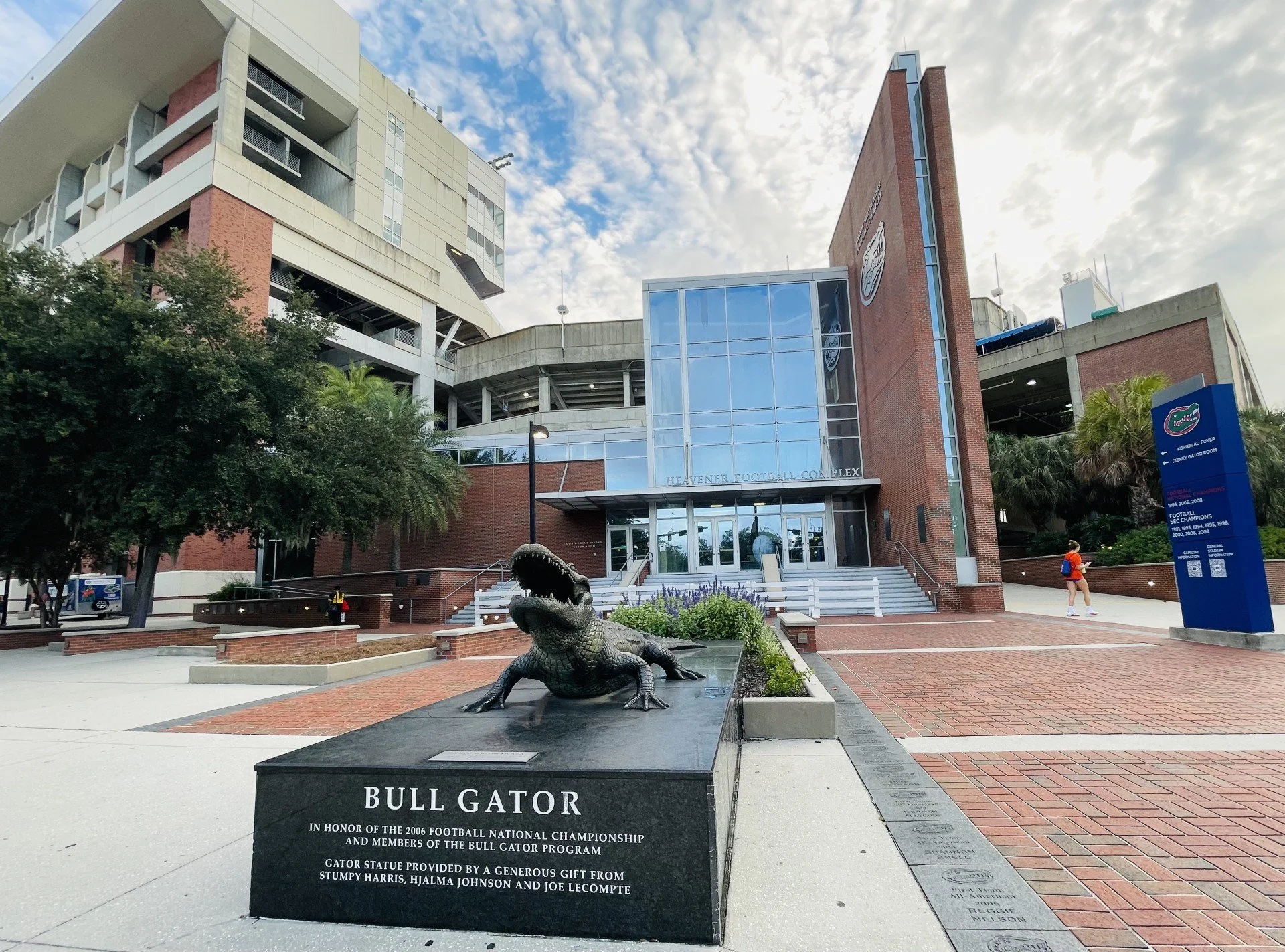
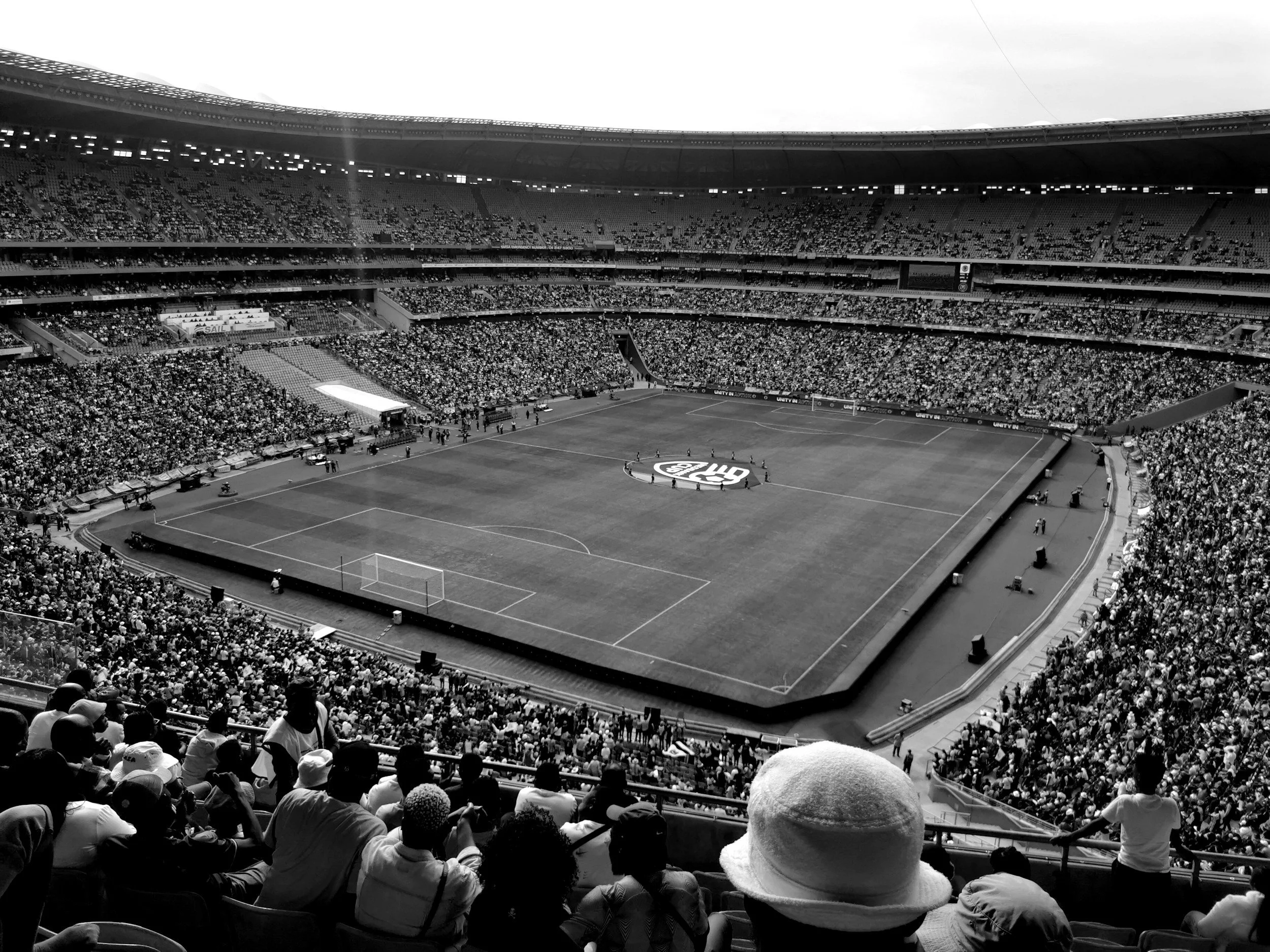
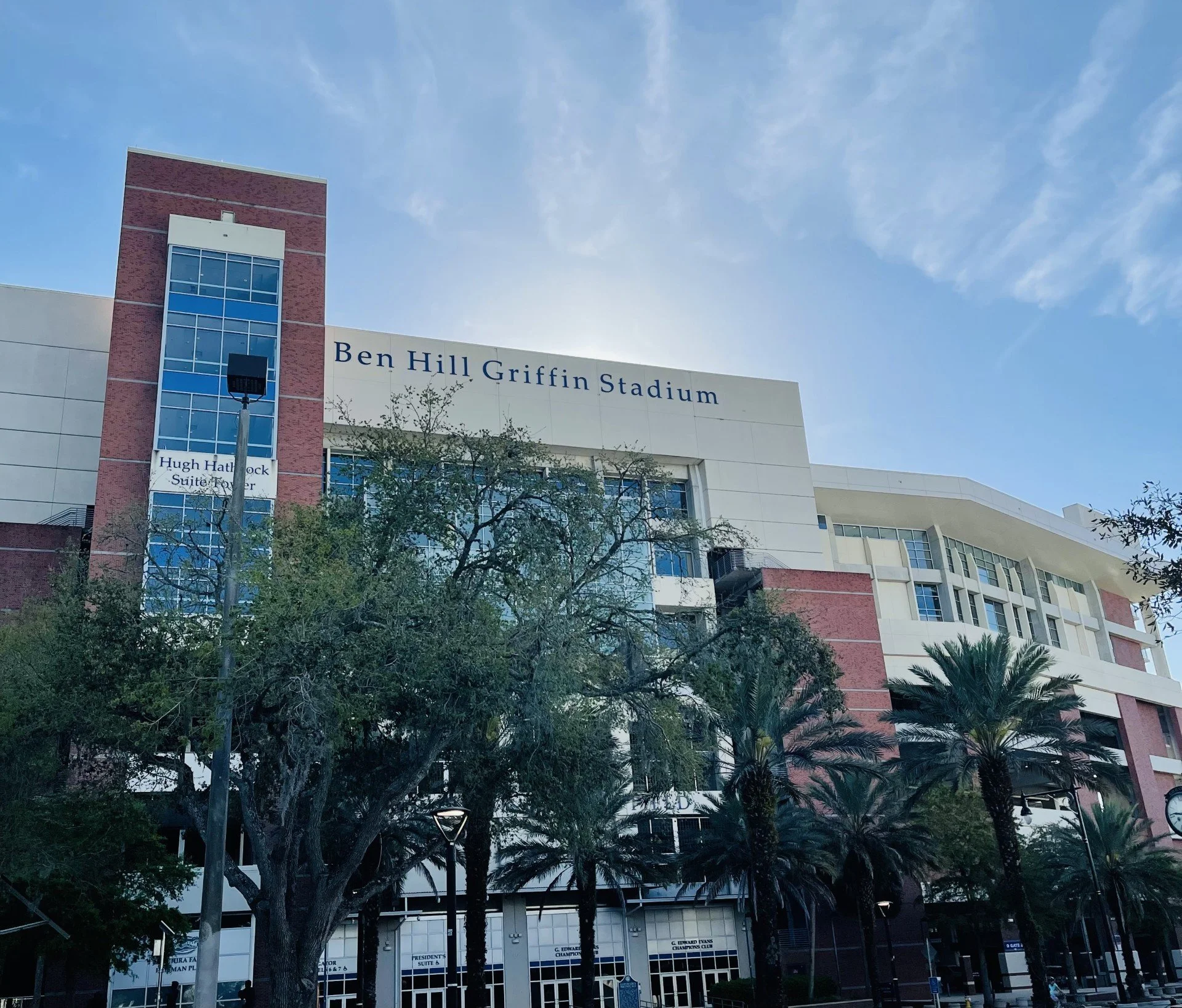
{Image Credit: Dr. Rachel J.C. Fu} Ben Hill Griffin Stadium where Gator Spirit isn’t just seen, it’s felt.

Why Hospitality Is No Longer Sold: It’s Experienced

Dr. Rachel J.C. Fu, Chair & Professor of Dept. of Tourism, Hospitality and Event | Director of the Eric Friedheim Tourism Institute at the University of Florida
 “The future of hospitality doesn’t belong to those who build more. It belongs to those who mean more.” by Dr. R. Fu

There was a time, not that long ago, when hospitality was beautifully simple. A hotel sold a clean room, a comfortable bed, and maybe a decent breakfast. Airlines sold a seat from point A to point B. Restaurants sold food. The transaction was clear, efficient, and predictable. That era is over.

Today, hospitality is no longer about what you sell. It’s about what people feel, remember, and share. The industry has decisively shifted from product to experience, from service delivery to storytelling. Those who fail to recognize this shift aren’t just behind. They’re becoming irrelevant. If you’re still competing on room size, thread count, or location alone, you’re playing a game that’s already been rewritten.

The Rise of the “Destination Hotel”

Hotels are no longer just places to stay. They are places to go. The most successful properties today function as micro-destinations, carefully designed ecosystems where architecture, culture, food, and programming intersect. Guests don’t just check in. Your guests step into a narrative. Design is no longer aesthetic decoration; it’s strategic storytelling.

A coastal resort doesn’t just offer ocean views; it embeds local materials, regional art, and cultural references into every corner. An urban boutique hotel doesn’t just provide convenience; it curates a lifestyle identity that aligns with its guests’ aspirations.

Modern travelers are not passive consumers. They are active participants in experiences they want to understand, personalize, and broadcast. A hotel lobby used to be a waiting area. Now it’s a social hub, a co-working space, a gallery, and a stage.

Hospitality Meets Retail: The Blurring of Boundaries

One of the most telling signals of this transformation is the growing fusion of retail and hospitality. “Shoppable” hotel rooms, once a novelty, are now a strategic move. Guests can purchase the bedding they slept in, the chair they lounged on, even the scent that defined the zone. This isn’t just about additional revenue streams; it’s about extending the experience beyond the stay.

Retail in hospitality is no longer transactional. It is experiential. It allows guests to own a memory, not just remember it. Our emotional connection drives loyalty. That’s a powerful differentiator. Hospitality, retail, entertainment, and even education are increasingly intertwined. The most innovative operators aren’t asking, “What business are we in?” They’re asking, “What experience are we creating?”

Food & Beverage: From Amenity to Identity

If there’s one area where the shift from product to experience is most visible, it’s food and beverage. Once treated as a supporting function, F&B has become a central pillar of brand identity. In many cases, it is the brand. Hotels are now built around signature restaurants, chef collaborations, and immersive dining concepts. Guests may book a stay because of the culinary reputation alone. Locals, who once avoided hotel dining, now seek it out. Why this shift? Food is inherently experiential. It engages all the senses. It tells stories about culture, place, and people. A remarkable meal becomes a lasting narrative.

Authenticity matters. Guests can spot a generic, “designed-by-committee” concept from a mile away. Travelers don’t want a polished imitation of culture. They want the real thing, or at least a sincere interpretation.

The Economics of Experience

The shift toward experience-driven hospitality is grounded in hard economics. Experiences command higher perceived value. They justify premium pricing. They drive social media exposure, which in turn fuels organic demand. More importantly, they create emotional loyalty.

A guest may forget a standard hotel room within days. But they remember the rooftop concert they attended, the chef’s table they experienced, the local artisan workshop they joined. These moments become stories, and stories are what people share. In an era where attention is currency, shareability is a business model.

The Role of Technology (and Its Limits)

Technology, particularly AI, has accelerated this shift by enabling hyper-personalization. Guests can now receive tailored recommendations, customized itineraries, and seamless service interactions. Technology alone does not create experience. It enhances it. It supports it. It scales it. The core of hospitality storytelling remains deeply human: emotion, connection, and meaning. A perfectly optimized check-in process is efficient, but it’s not memorable. A genuine, thoughtfully crafted experience is. The winners in this space understand that technology is the engine, not the destination.

There’s a fine line between creating an immersive environment and overwhelming the guest. The most effective experiences leave room for discovery, spontaneity, and personal interpretation. In the past, a warm welcome and attentive service were enough. Today, those are baseline expectations. The real differentiator is how well a brand can craft and deliver a cohesive, meaningful story. That story must be lived not just told.

The New Competitive Reality

If your offering is just a room, a seat, or a meal: you’re competing on price.

If your offering is an experience: you’re competing on value. 

Value, when done right, always wins.

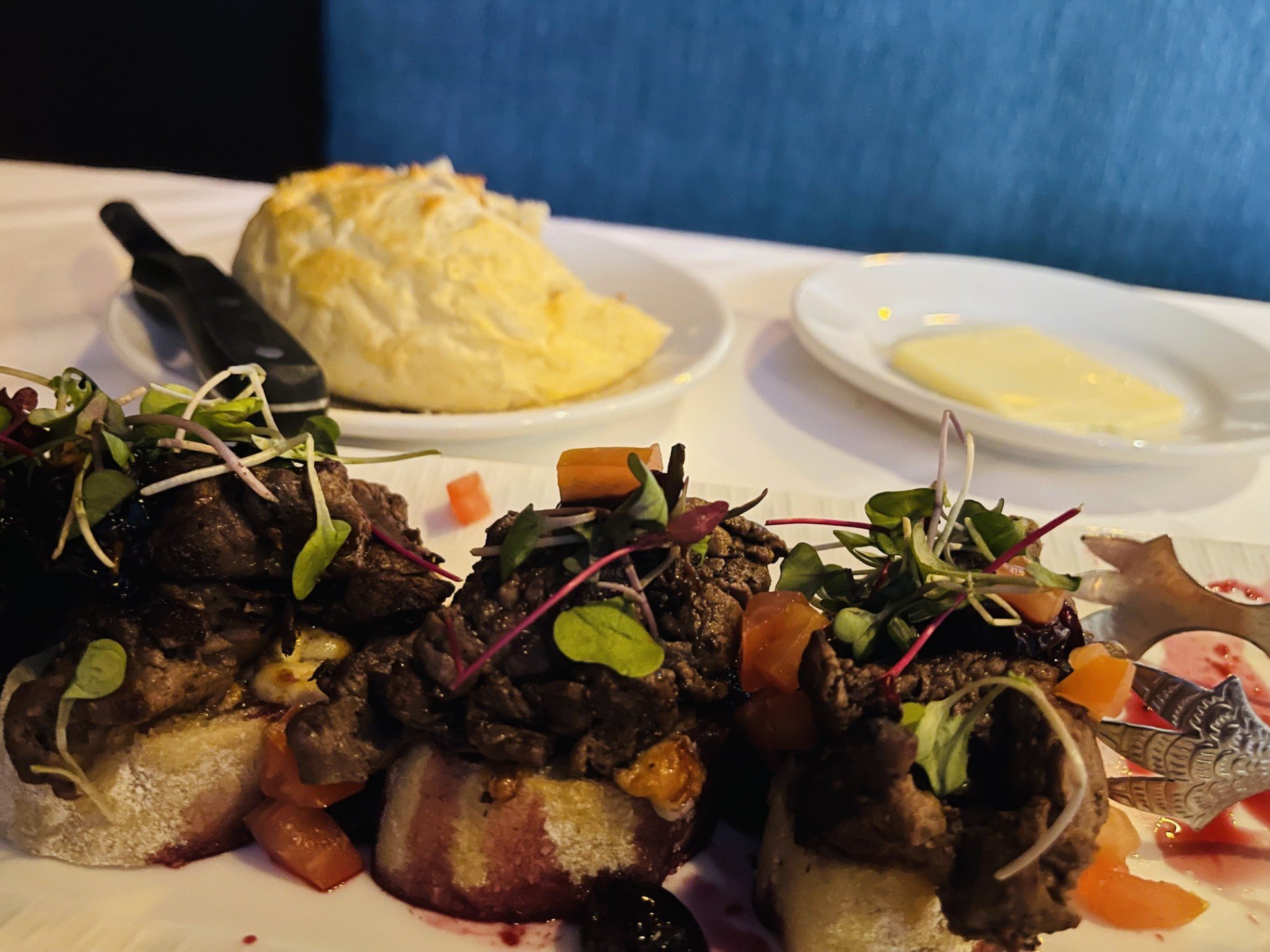
{Image Credit: Dr. Rachel J.C. Fu} a dinner dish

When Space Travelers Meet ETs: The Most Consequential Conversation in Human History

Dr. Rachel J.C. Fu, Chair & Professor of Dept. of Tourism, Hospitality and Event | Director of the Eric Friedheim Tourism Institute at the University of Florida

Humanity has always looked up and wondered. From ancient navigators reading the stars to modern space travelers orbiting Earth, space has been both a mystery and a mirror: reflecting our curiosity, ambition, hope, fear, and our limits. But the moment space travelers encounter extraterrestrial intelligence (ETs), the narrative shifts from exploration to transformation. This wouldn’t just be a scientific milestone. It would be a philosophical earthquake. Because once we meet another intelligent species, every assumption we’ve quietly held about life, intelligence, evolution, even fights gets thrown onto the table for re-negotiation and re-priorities.

Space Travel

Space travel isn’t just about going farther. It’s about seeing differently. Every major leap in human exploration has reshaped knowledge on Earth. The Apollo missions didn’t just land on the Moon; they gave us the “Earthrise” image: a fragile blue sphere floating in darkness. That single image did more for environmental awareness than decades of policy debates. Now scale that up. Deep space travel whether through missions to Mars, interstellar probes, or future crewed expeditions forces us to rethink systems we take for granted:

  • Biology: How does life adapt beyond Earth’s gravity and atmosphere?

  • Physics: Are our current models complete, or just locally accurate?

  • What happens to human identity when “home” is no longer a single planet?

When ETs enter the equation? Game over . . .  in an incredible way. We’re not just studying the universe. We’re comparing notes with another intelligence that may have evolved under entirely different conditions: different chemistry, different physics thresholds, different timelines. That’s exponential.

First Contact: Curiosity Meets Uncertainty

When space travelers meet ETs, nobody’s walking in with a perfect script. Language barriers alone could make early communication feel like trying to explain Wi-Fi to a medieval scholar. Except both sides are the medieval scholars. What do you ask when you don’t even know what the other side is? We may start with fundamentals.

Top Three Questions Space Travelers May Ask ETs

1. “How did your civilization survive long enough to reach space?” This isn’t just curiosity. It’s survival strategy. Humanity is still navigating climate change, geopolitical tension, and technological risks. If ETs made it to interstellar capability, they’ve solved problems we’re still fumbling through. Their answer could be the ultimate blueprint, or a cautionary tale.

2. “What do you know about the universe that we don’t?” We’ve mapped galaxies, detected gravitational waves, and theorized dark matter but our knowledge is still incomplete. ETs could possess entirely different frameworks for understanding reality. Imagine skipping centuries of trial and error because someone handed you a better map.

3. “Are we typical or rare?” This question hits deeper than science. It’s existential. Are intelligent civilizations common, like cosmic dandelions? Or are we an anomaly? The answer reshapes how we value life, not just human life, but all life.

Now Flip It: What Would ETs Ask Space Travelers?

Because from their perspective, we’re newcomers. The rookies. The species that just showed up to the galactic group chat.

1. “Why do you still fight among yourselves?” If they’ve achieved advanced space travel, there’s a decent chance they’ve figured out cooperation at a level we haven’t. Our conflicts (a bit too long to include here) might look… primitive or inefficient?!

2. “What do you value most as a species?” This is deceptively simple. Is it survival? Innovation? Freedom? Profit? Exploration? Our answer would reveal more about us than any data we bring.

3. “What is your long-term intention in space?” Are we explorers? Colonizers? Extractors? Partners? This question determines whether we’re seen as allies, problem solvers, and/or problem generators?

The Real Impact: Knowledge That Changes Behavior

We argue, disagree, circle back. But once another intelligent species is observing, or interacting with us, our actions are no longer just internal matters. We become a case study. And that tends to sharpen behavior real fast. Ideally. We are one species on one planet in a very large universe. From an ET perspective, they might be irrelevant altogether. The real advancement from space exploration isn’t just technological. It’s cognitive. Potentially, we may start thinking in longer timelines:

  • Not election cycles, but centuries.

  • Not national interests, but planetary survival.

  • Not individual success, but species-level continuity.

Beyond Knowledge

Just because we imagine we may or can meet ETs, it doesn’t mean we’re ready.

History on Earth shows that when two civilizations meet, the outcome could be complicated. Power dynamics, misunderstandings, and unintended consequences can spiral quickly.

So the question isn’t just: “What will we learn?” It’s: “How will we behave?” Will we approach with humility or assumption? With curiosity or control? Because first impressions don’t just matter socially. In this case, they could define interspecies relations for generations. No pressure.

The Bottom Line: Space Is the Next Classroom

Space travel is often framed as a technological race: who gets there first, who builds faster, who claims territory. That’s short-term thinking. Space is classroom. It teaches scale, interdependence, curiosity, and humility. Hopefully, when we meet ETs, that classroom turns into a collaboration. At the end of the day, the most important question space travelers might ask ETs isn’t even on the list above. It’s simpler. “Who did you become?” Because whatever their answer is, it hints at what/who we might become too. Space travel isn’t just about leaving Earth. It’s about finally understanding it. Hopefully, as allies (and aliens) of outer space, we’ll come to understand ourselves a little better along the way.

{note. This article was inspired this news: https://www.msn.com/en-us/news/technology/nasa-chief-reveals-aliens-do-exist-as-artemis-ii-begins-return-journey-to-earth/ar-AA20lckV?ocid=entnewsntp&pc=W251&cvid=69d643ab3d114419b4ebf615f3e29ffc&ei=14 }

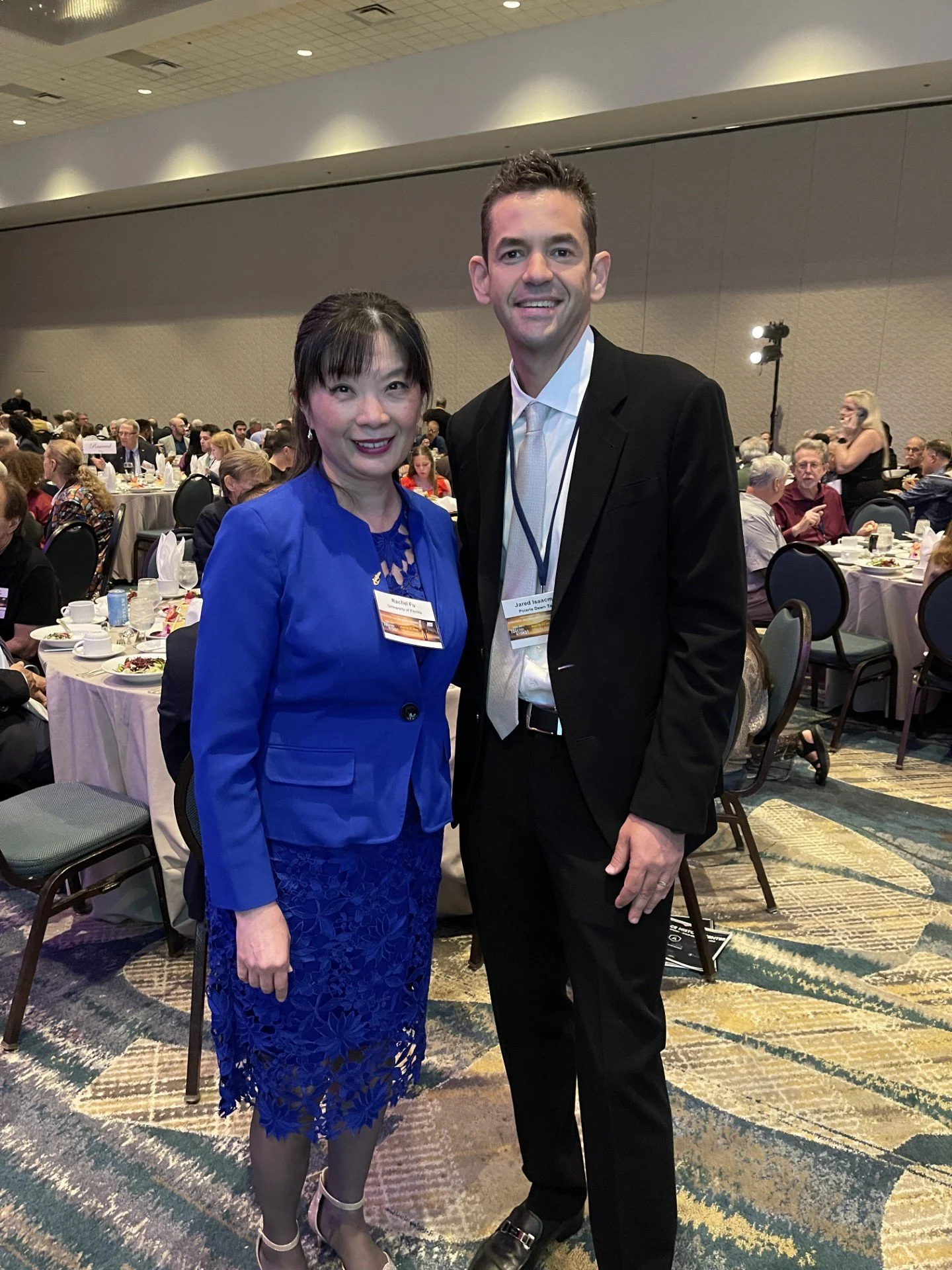
Left: Dr. Rachel J.C. Fu [Director of UF’s EFTI] Right: Dr. Jared Isaacman [NASA Chief]

Igniting K–16 Minds and Well-Being Through Space Tourism and Space Experiences

Dr. Rachel J.C. Fu, Chair & Professor of Dept. of Tourism, Hospitality and Event | Director of the Eric Friedheim Tourism Institute at the University of Florida

“Space education may close that gap fast. Inspiration is what drives persistence. Persistence is what builds future leaders.” - by Dr. R. Fu

Opening the Sky as a Classroom

Education that doesn’t spark curiosity is already losing. The next generation isn’t wired for passive learning; they’re wired for experience. Space, once distant and abstract, is now stepping into reach through commercial innovation and immersive design. This is not just a technological shift. It’s an educational opportunity hiding in plain sight. Space tourism and themed space environments are no longer separate conversations. They form a powerful, scalable ecosystem that can reshape how K–16 students learn, feel, and envision their futures. Done right, this isn’t enrichment. It’s transformation.

From Curiosity to Calling: Why SPACE Changes Everything

There’s something about space that hits differently. It humbles you, excites you, and . . makes everything on Earth feel both small and meaningful at the same time. For K–16 students, that emotional response is not a side effect; it’s the engine. When students are exposed to space through real missions or immersive simulations. They don’t just learn science. They experience it. Once learning becomes emotional, it becomes durable. This is where traditional education has always had a gap. It informs, but it doesn’t always inspire. Space education may close that gap fast. Inspiration is what drives persistence. Persistence is what builds future leaders.

Space Tourism: Turning Imagination into Possibility

Space tourism isn’t built for school field trips. It’s expensive, exclusive, and still finding its footing. But dismissing it would be short-sighted. Historically, every major innovation starts at the top and scales down. Aviation did it. Computing did it. Space will too. The real value of space tourism lies in its signal. When civilians, not just astronauts, begin traveling to space, it changes the narrative. Space becomes less mythical and more attainable.

For students, that shift matters more than we give it credit for. It tells them:

  • You don’t have to be perfect to be part of space

  • There are roles beyond being an astronaut

  • The future space economy needs dreamers, thinkers, creators, leaders, doers, not just scientists.

If leveraged properly, space tourism becomes a storytelling engine for education such as feeding classrooms with real missions, real data, and real human experiences. With that translation into learning, it becomes a catalyst.

Themed Space Experiences: Scalable Inspiration That Works

Not every student can go to space, but every student can experience it. Themed space environments including immersive exhibits, simulations, and interactive attractions are the real bridge between access and aspiration. They take the awe of space and package it into something tangible, repeatable, and educational.  And let’s not overlook what makes them effective:

  • They blend learning with emotion

  • They encourage active participation, not passive observation

  • They create shared experiences that students talk about long after

This is not replacing the classroom. It’s upgrading it. A well-designed space-themed experience does something a lecture cannot: it places the student inside the story. They are not learning about a mission; they are part of it.

Well-Being: The Hidden Power of Space-Inspired Learning

Simulated exposure to space can trigger awe: the same psychological response astronauts describe when viewing Earth from orbit. That sense of awe has measurable effects:

  • It reduces stress and mental fatigue

  • It increases openness and curiosity

  • It strengthens a sense of purpose and connection

It resets the mind. And in a K–16 setting, that’s not a luxury. It’s a necessity. If education is about developing the whole student, then space-inspired experiences are not optional add-ons. They are tools for building resilience, imagination, and emotional balance.

Designing the Pipeline: From First Spark to Future Career

Stop treating space tourism and themed experiences as isolated events. Start building a pipeline. A student’s journey may look something like this:

  • Early exposure: immersive themed experiences spark curiosity

  • Structured learning: classroom integration builds knowledge

  • Real-world connection: exposure to space missions and tourism creates aspiration

That’s how you move from interest to identity. This is where partnerships matter:

  • Schools aligning curriculum with experiential learning

  • Industry providing real-time data and mentorship

  • Institutions creating continuity across grade levels

No more one-off field trips. This is about building ecosystems.

Why Sponsors Should Pay Attention (And Step Up)

Investing in space-inspired K–16 education is not charity. It’s strategy. Sponsors gain:

  • Workforce development: early exposure builds future talent pipelines

  • Brand alignment with innovation: space is the ultimate forward-looking narrative

  • Community impact: measurable contributions to education and well-being

Sponsors become part of something bigger than a campaign, they become architects of the next generation. There is a clear opportunity here:

  • Fund immersive educational programs

  • Support access initiatives for underserved students

  • Partner with schools and institutions to co-create curriculum

Because the companies that invest in education today will not need to “find talent” tomorrow. They will have helped build it. The future space economy isn’t theoretical, it’s coming fast. It won’t just need engineers. It will need:

  • Designers of human-centered space environments

  • Leaders who understand global collaboration

  • Innovators who can bridge technology, health, human performance, space hospitality, and humanity

Final Perspective: Inspire First, Educate Always

At the end of the day, this isn’t complicated. We’ll raise a generation that looks at the stars and doesn’t just wonder. They rock.

{Image Credit: @YugaSukamo} Children with a space-simulation ride

How Automation is Rewriting the Future of Restaurants

Dr. Rachel J.C. Fu, Chair & Professor of Dept. of Tourism, Hospitality and Event | Director of the Eric Friedheim Tourism Institute at the University of Florida

 “The chefs who embrace this shift instead of fighting it are the ones who’ll stay ahead. Because the future isn’t about proving humans are better than machines. It’s about proving we’re smarter when we use them.” – by Dr. R. Fu

When Steel Meets Skill: Robot Chefs vs. Human Chefs

The recent coverage by the National Restaurant Association and reporting highlighted on WUFT-FM put a spotlight on a question the industry can’t dodge anymore: are robot chefs competitors or collaborators?

Human chefs and robotic systems were tasked with producing comparable dishes under controlled conditions: same ingredients, same time constraints, same expectations. What came out of it wasn’t a knockout victory on either side, but a very clear split in strengths.

Robotic chefs dominated in precision and consistency. Their dishes were uniform: same portion, same doneness, same plating every single time. No variation. In high-volume environments, that’s a dream scenario. Operators watching this weren’t thinking “cool tech” they were thinking “predictable margins.”

Human chefs, though, still owned creativity, adaptability, and sensory judgment. When conditions shifted such as slight ingredient differences, timing pressure, plating decisions: the humans adjusted instinctively. Robots followed programming. That’s a big difference. One improvises; the other executes.

Judges and observers noted something subtle but important: even when the robot-produced dish matched technical standards, the human-prepared dish often carried more character. Not always better but more expressive. In hospitality, that still counts.

The Real Outcome: Not a Win, but a Wake-Up Call

The takeaway wasn’t “robots beat chefs” or vice versa. It was this: some robots are good enough to handle a large portion of kitchen operations. If a machine can reliably produce 80–90% of menu items at scale, the role of the human chef shifts immediately. Less repetition, more oversight. Less execution, more design. It’s not replacement. It’s redistribution. Entry-level kitchen roles? Those are the most exposed. The industry has always been tough at that level, and automation isn’t here to make it gentler.

From Kitchens to Chessboards: A Familiar Story

If this dynamic feels familiar, it should. We’ve seen it before just not in kitchens. Back in 1997, Deep Blue (IBM supercomputer) defeated Garry Kasparov (world chess champion) in what became a defining moment in technology vs. human expertise. It wasn’t just about winning a match. It changed how people thought about intelligence, strategy, and competition. Machines didn’t just catch up. They surpassed humans in calculation, pattern recognition, and decision speed. But here’s the twist most people forget: chess didn’t die. It evolved. Today, the strongest form of chess isn’t human vs. machine. It’s human + machine, often called “centaur chess.” Players using AI assistance outperform both humans alone and computers alone in certain formats. Strategy meets computation. Instinct meets data. Sound familiar?

Hospitality’s “Centaur Moment”

The restaurant industry is heading toward its own version of that hybrid model. Robot chefs will handle: Precision cooking; repetitive prep; and high-volume execution. Human chefs will focus on: Concept development; flavor innovation; cultural storytelling; and guest experience. The smartest operators won’t pick sides. They’ll build systems where both thrive.

What Guests Will Notice (and What They Won’t)

Most guests won’t care how their fries were made as long as they’re hot, crispy, and fast. That’s where robots quietly win. But when it comes to signature dishes, tasting menus, or culturally rooted cuisine? Guests still lean toward human craftsmanship. Not because robots can’t cook but because they can’t care. People can feel that difference, even if they can’t explain it.

The Industry at a Crossroads

The robot vs. human chef narrative makes for great headlines, but it misses the bigger picture. This isn’t a battle. It’s a reshuffle. Robots are raising the baseline through forcing consistency, efficiency, and scalability across the industry. Human chefs are being pushed upward: toward creativity, leadership, and innovation. Hospitality has always balanced two forces: operational efficiency and human experience. One keeps the lights on; the other keeps guests coming back. Today, automation is reshaping that balance in a way the industry hasn’t seen since the rise of global hotel brands and quick-service chains. The difference now is speed. What once took decades is unfolding in a few short years. Automation is no longer a back-of-house upgrade. It is becoming the backbone of modern hospitality systems. From robotic fry stations to AI-powered reservation forecasting, the question is no longer whether to adopt automation, but how to do so without losing the essence of hospitality itself.

Already Here: The Quiet Takeover of Automation

Step into a contemporary restaurant or hotel, and automation is already working behind the scenes. Self-order kiosks streamline transactions. Smart kitchen systems monitor inventory and reduce waste. In hotels, contactless check-ins and mobile room controls have become standard expectations rather than premium features. These tools address long-standing operational challenges such as labor shortages, rising costs, and inconsistency in service delivery. Automation thrives in environments where repetition dominates. Tasks such as frying, grilling, and portioning are executed with machine-level precision, eliminating variability caused by fatigue or inexperience. The appeal is obvious. Machines do not call in sick, do not forget procedures, and do not deviate from standards. But efficiency alone does not define hospitality, and that tension is where the real story begins.

Big Data in the Kitchen: Recipes by Algorithm

Automation is not limited to execution; it is moving into creation. AI systems can analyze vast datasets, including customer preferences, regional tastes, seasonal ingredients, and nutritional trends. From this analysis, new recipes can be generated and optimized for both flavor and cost efficiency. A system might identify that certain flavor profiles resonate more strongly in specific regions and adjust menu offerings accordingly. While this approach enhances innovation, it does not replace human creativity. Data can suggest combinations, but chefs interpret and refine them. The future of culinary development will likely be collaborative, blending analytical insight with human intuition.

Training the Machine: From Minutes to Mastery

Training a human chef requires years of education and experience. Training a robot can begin in minutes, with basic programming, and extend to years as machine learning systems refine performance. The key difference lies in replication. Once a robot is trained, its knowledge can be distributed instantly across multiple locations. Human expertise, by contrast, remains individual and limited in scale. This shift fundamentally changes how knowledge is transferred within the industry. High-skilled professionals who can integrate technology, create unique dining experiences, and lead hybrid operations will likely see their value increase. The industry is shifting toward a model where top talent becomes more valuable, while routine roles diminish.

Tradition Under Pressure: The Cultural Question

Automation struggles with tradition. Many recipes are not written in precise measurements but passed down through experience and intuition. Instructions such as “cook until it smells right” cannot be easily translated into code. Human chefs remain essential in preserving these cultural elements. They carry the stories, techniques, and emotional connections that define cuisine. The risk of over-automation is a loss of identity. Without careful balance, food could become efficient but indistinguishable, sacrificing the diversity that makes dining meaningful.

The Taste Gap: When Machines Can’t Taste

A fundamental limitation of automation is its inability to taste. Robots rely on sensors and programmed parameters rather than sensory experience. Developers are exploring solutions such as electronic taste sensors and AI models trained on human feedback. These technologies can approximate flavor profiles but do not fully replicate human perception. For now, the most effective approach remains a partnership: machines execute tasks with precision, while humans evaluate and refine outcomes. Automation will continue to reshape restaurants businesses. It will improve efficiency, stabilize operations, and enable growth. But it will not replace the core of hospitality. Guests do not remember systems. They remember experiences. They remember how a meal made them feel, how a space welcomed them, and how a person connected with them. Machines can enhance the system, but they cannot replace the soul.

{Image Credit: @enchantedtools} a man with a service robot

Cruising in Uncertain Waters: How Geopolitics is Reshaping the Future of Sea Travel

Dr. Rachel J.C. Fu, Chair and Professor of Dept. of Tourism, Hospitality and Event | Director of the Eric Friedheim Tourism Institute at the University of Florida

“Cruise itineraries used to be shaped by weather patterns, seasonal demand, and port popularity. Today, they are increasingly dictated by geopolitics, insurance viability, and security risk.” – by Dr. R. Fu

The cruise industry has long promised something rare in modern travel: certainty. Fixed itineraries, predictable ports, and curated experiences. You board, you relax, you arrive. But 2026 is delivering a wake-up call (again): the world’s oceans may be open, but the routes across them are no longer guaranteed.

Recent disruptions tied to escalating tensions in the Middle East, particularly around the Strait of Hormuz, have forced cruise lines to cancel sailings, reroute ships, and, in some cases, leave vessels temporarily stranded in Gulf ports. Athens-based Celestyal Cruises canceled all April 2026 departures after two of its ships, Celestyal Discovery and Celestyal Journey, were unable to safely reposition due to maritime disruptions. The Strait itself is not just another waterway, it is one of the most strategically critical chokepoints in the world, handling a significant share of global energy transport. When it becomes unstable, ripple effects are immediate and global.

This moment is not just a disruption. It is a structural shift.

Routes Are No Longer Just Geography. They’re Strategy. When tensions escalate in regions, cruise lines must make rapid decisions: cancel, reroute, or redeploy ships entirely. Insurance providers may withdraw coverage, port access may become uncertain, and maritime advisories can change overnight. The result is not minor inconvenience. It is full-scale operational recalibration.

Operational Fragility: When the System Pauses, Everything Pauses. Cruise operations are a masterclass in coordination. Ships, crew rotations, port bookings, fuel logistics, and guest experiences must align with precision. But that precision also creates vulnerability. When ships are unable to move: crew schedules are disrupted; supply chains stall; future itineraries collapse; and revenue losses compound quickly. The cancellations by Celestyal Cruises are a clear example. Multiple sailings wiped out in a single decision not because of demand, but because execution became impossible under current conditions.

The industry is learning, in real time, that efficiency without resilience is a risk.

Fuel, Costs, and the Pressure on Profitability. Geopolitical instability rarely travels alone. It brings cost volatility with it. Rising fuel prices linked to Middle East tensions are already impacting major operators, including Carnival Corporation, which has adjusted financial expectations in response to higher operating costs. Cruise lines are now navigating a difficult balance:

  • Absorb rising costs and protect demand

  • Or pass increases to consumers and risk pricing resistance

Traveler Confidence: The Most Valuable Currency at Sea. Beyond logistics and costs lies the most fragile element of all: trust. Thousands of travelers have recently faced itinerary disruptions, unexpected rerouting, or extended stays due to operational constraints. Even when cruise lines respond effectively, the psychological impact remains. Travelers begin to ask:

  • Will my itinerary actually happen?

  • What happens if my ship can’t return?

  • Is the risk worth the experience?

Confidence doesn’t disappear overnight but it evolves. And the cruise lines that understand this will be the ones that lead the next phase of the industry.

Opportunity Emerges: The Rise of “Safe Region Cruising.” When one region becomes unstable, another rises. As Middle Eastern itineraries fade, demand is shifting toward: The Caribbean; Southeast Asia; Australia and the South Pacific; and Domestic coastal cruises. This is not a decline. It is a redistribution. Cruise lines are repositioning ships accordingly, ensuring that capacity meets demand where travelers feel most comfortable. The industry has adapted. What’s different now is the speed of adaptation.

Flexibility Becomes the New Definition of Luxury. For decades, luxury in cruising meant certainty: fixed schedules, guaranteed destinations, and seamless execution. That definition is changing. Today’s premium experience is increasingly defined by flexibility: the ability to reroute without disrupting the guest experience; transparent, real-time communication;  and Built-in contingency planning

Smarter Systems: A Long-Overdue Evolution. The cruise line industry is accelerating its investment in smarter systems. Expect to see:

  • Advanced risk modeling using real-time data

  • AI-supported route optimization

  • Diversified deployment strategies across regions

These tools are not just about avoiding disruption. They are about protecting brand reputation in an era where a single negative experience can travel globally within minutes.

Travel Smarter: A Practical Playbook for Cruise Travelers. The modern cruise traveler is not passive. They are informed, strategic, and adaptable. Here is how to navigate this new landscape with confidence.

  • Avoid High-Risk Regions. Even If They’re Still Listed. If an itinerary depends on politically sensitive waterways such as the Strait of Hormuz or the Red Sea, approach with caution. Brochures may not reflect real-time conditions.

  • Prioritize Flexibility Over Price. A lower fare loses its value quickly if plans change. Look for cruise lines that offer: flexible rebooking policies; clear refund structures; and strong communication practices

  • Understand Your Travel Insurance. Not all policies cover geopolitical disruptions. Carefully review what is included, especially regarding cancellations tied to conflict or government advisories.

  • Choose Operators with Proven Crisis Management. In uncertain conditions, the strength of the operator matters. The best cruise lines are those that: communicate early and clearly; provide efficient rebooking options; and demonstrate operational resilience.

  • Adopt a Flexible Mindset. The most successful travelers in today’s environment are those who understand that the journey may evolve. A rerouted itinerary can still deliver extraordinary experiences often in places you didn’t initially expect.

A New Era of Informed Exploration. The cruise industry is not in decline. It is in transition. The oceans remain as compelling as ever. The ships are still full. The desire to explore has not diminished. But the framework around that exploration has changed. Routes are no longer just lines on a map. They are strategic decisions shaped by global dynamics. Flexibility has replaced rigidity. Awareness has replaced assumption. For cruise lines, this is a test of resilience and innovation. For travelers, it is an opportunity to become more intentional, more informed, and ultimately more empowered. The experience of cruising is still very much alive.

In 2026 and beyond, the smartest travelers will not chase destinations. They will understand the world that shapes them.

{Image Credit: @Allaria} A Cruise ship and city buildings.

Smarter Shores Ahead: Using Drone Intelligence to Protect Florida’s Coastlines This Summer

Dr. Rachel J.C. Fu, Chair & Professor of Dept. of Tourism, Hospitality and Event | Director of the Eric Friedheim Tourism Institute at the University of Florida

“While . . . hazards are part of the coastal ecosystem, advances in drone technology are transforming how they are monitored, predicted, and managed. What once relied heavily on reaction is now shifting toward prevention, precision, and real-time awareness.” — by Dr. R. Fu

As Florida moves into peak summer season, the state’s coastline becomes one of the most active and attractive environments in the country. Warm waters, extended daylight hours, and vibrant marine life draw both residents and visitors in large numbers. At the same time, these same conditions increase exposure to natural risks including notably shark encounters and harmful algal blooms (such as red tide).

Drone Surveillance for Shark Detection

One of the most immediate and practical applications of drones along Florida’s coastlines is shark detection. Shark encounters, while statistically rare, tend to increase in visibility during the summer months due to higher human activity in the water and seasonal patterns in marine life. Traditionally, identifying sharks near swimmers has depended on lifeguard observation from shore level a method limited by glare, water clarity, and angle of view.

Drones change that equation. Equipped with high-resolution cameras and aerial positioning, drones provide a top-down perspective that allows operators to detect sharks even when they are difficult to see from the shoreline. Subtle movements, shadows, and patterns beneath the water surface become significantly more visible from above. In many cases, sharks travel parallel to shore in relatively shallow waters, often unnoticed by swimmers. Drone surveillance enables early identification of these movements, allowing safety personnel to intervene before any close interaction occurs.

This shift from delayed recognition to early detection represents a fundamental improvement in coastal safety. Rather than responding to incidents, lifeguards can now anticipate and prevent them.

Real-Time Public Alerts and Beach Management

Detection alone is not sufficient without effective communication. Once a potential risk is identified, the ability to alert beachgoers becomes critical. Modern drones are increasingly equipped with communication tools such as loudspeakers and live-feed transmission systems, allowing them to function not only as observation devices but also as active safety platforms.

In crowded summer conditions, traditional warning methods such as whistles, flags, or verbal instructions can be limited in reach and clarity, particularly for visitors unfamiliar with local beach protocols. Drones address this gap by delivering targeted, real-time messages directly over affected areas. For example, if a shark is detected near a specific section of the shoreline, the drone can hover overhead and issue calm, precise instructions for swimmers to exit the water.

Drone systems can integrate with broader beach management infrastructure, including digital alert systems and lifeguard coordination networks. This ensures that information flows quickly from detection to response, minimizing confusion and reducing the likelihood of panic. The result is a more controlled, informed, and efficient safety response.

Predictive Risk Mapping and Behavioral Insight

Beyond real-time monitoring, drones contribute to a deeper understanding of the environmental factors that influence shark presence. Sharks are not randomly distributed; their movements are closely tied to ecological conditions such as bait fish activity, water temperature gradients, tidal flows, and underwater terrain features like sandbars.

Drones can capture detailed visual data on these elements. For instance, schools of bait fish often appear as darker, shifting patches in the water an indicator that predators may be nearby. Sandbars and drop-offs create natural pathways where sharks are more likely to patrol. By consistently monitoring these patterns, drones help build a data-driven picture of where shark activity is most likely to occur. When combined with additional data sources such as satellite imagery, historical sighting records, and environmental sensors; this information supports predictive modeling. It means coastal managers can identify higher-risk zones before sharks are observed, allowing for proactive measures such as targeted surveillance or temporary advisories.

Red Tide Monitoring and Early Detection

While shark encounters often capture public attention, red tide events present a broader and more persistent challenge. Caused by harmful algal blooms, most commonly the organism Karenia brevis in Florida, red tide produces toxins that can affect human health, marine ecosystems, and local economies. Symptoms may include respiratory irritation for beachgoers and widespread fish mortality in affected areas.

Drones offer valuable capabilities in monitoring and responding to red tide conditions. From the air, drones can detect changes in water coloration and surface patterns that indicate the presence of algal blooms. These visual cues, while sometimes subtle at ground level, become more apparent from an aerial perspective.

In addition to visual assessment, emerging drone technologies allow for environmental sampling, enabling researchers to collect water data without deploying boats. This increases efficiency and allows for more frequent monitoring. Drones can document shoreline impacts, such as fish kills or affected beach zones, providing real-time information to environmental agencies and local authorities.

Because red tide does not affect all areas uniformly, drone-based monitoring supports more precise decision-making. Instead of broad, generalized beach closures, officials can implement targeted advisories based on current conditions, allowing unaffected areas to remain accessible while protecting public health in impacted zones.

Summer 2026 Outlook: Anticipated Patterns

Looking ahead to the summer season, both shark activity and red tide conditions are expected to follow established seasonal trends, though with some variability depending on environmental factors.

Shark activity typically peaks between June and September, particularly during early morning and evening hours when feeding behavior is more active. Coastal regions with high bait fish concentrations, as well as areas with reduced water clarity following storms, may see increased shark presence. Along Florida’s Atlantic coast including regions such as Volusia and Brevard counties.

Red tide, by contrast, is less predictable but tends to be more prevalent along Florida’s Gulf Coast, especially in the southwest region. Its development is influenced by water temperature, nutrient availability, and ocean currents. Current projections suggest the possibility of localized blooms rather than widespread, prolonged events. However, conditions in late summer and early fall may increase the likelihood of intensified activity if environmental factors align.

In both cases, the key takeaway is not alarm, but preparedness. With consistent monitoring, particularly through drone technology, these risks can be managed effectively.

Practical Guidance for Coastal Safety

While technology enhances safety systems, individual awareness remains an essential component of risk prevention. Simple behavioral choices can significantly reduce the likelihood of negative encounters.

To minimize shark-related risks, swimmers are advised to avoid entering the water during dawn and dusk, when sharks are most active. Areas with visible bait fish activity should also be avoided, as these conditions attract predators. Wearing reflective or shiny objects in the water is discouraged, as these can resemble fish scales. Whenever possible, swimming near lifeguard-supervised areas, especially those utilizing drone monitoring, provides an additional layer of safety.

In the case of red tide, checking local beach condition reports before visiting is strongly recommended. A strong odor of decaying fish or visible water discoloration may indicate the presence of harmful algal blooms. Individuals with respiratory sensitivities should exercise particular caution, as airborne toxins can cause irritation even without direct water contact.

The Evolving Role of Coastal Safety Systems

The integration of drones into coastal management reflects a broader evolution in how environmental risks are addressed. Rather than replacing traditional lifeguard roles, drones enhance their capabilities by extending visibility, accelerating response times, and providing data-driven insights.

This layered approach combining human expertise with technological support creates a more resilient safety framework. It allows for faster detection, clearer communication, and more informed decision-making, ultimately reducing both risk and uncertainty for beachgoers.

Conclusion

Florida’s coastline will always be dynamic, shaped by natural forces that cannot be fully controlled. Sharks will continue to inhabit coastal waters, and red tide events will occur as part of broader ecological cycles. However, the ability to anticipate, monitor, and respond to these conditions has improved significantly.

Drone technology stands at the forefront of this progress. By offering enhanced visibility, real-time communication, and predictive capabilities, drones enable a shift from reactive responses to proactive prevention. As summer approaches and coastal activity increases, this approach provides both locals and visitors with a safer, more informed experience allowing them to enjoy Florida’s shores with greater confidence and awareness.

{Image Credit: @bschmidt16}    Beaches and Visitors in Florida

{Image Credit: @bschmidt16} Beaches and Visitors in Florida

From Final Score to Fresh Start: Turning Win-or-Loss into Well-Being Through Sport Tourism

Dr. Rachel J.C. Fu, Chair & Professor of Dept. of Tourism, Hospitality and Event | Director of the Eric Friedheim Tourism Institute at the University of Florida

 “Win-or-Loss. Enjoy the quality of your visit when you are able. That’s real Sport Tourism. That’s how you turn any game day into a win for your well-being.” - Dr. R. Fu

The final buzzer sounds. The scoreboard says what it says. No spin, no sugarcoating. Sometimes your team takes the L. If you were in the stands for an NCAA Florida game on Sunday the 22nd, you felt it: that hollow dip in the chest, the quiet walk out of the stadium, the replay loop in your head. It’s part of sport. Always has been.

But here’s the move most people miss: the game doesn’t have to define the day. In fact, it can be the starting line for something better. Your own Sport Tourism experience. Win-or-Loss, you still traveled, you still showed up, and you still have a destination full of culture, food, nature, and people. That’s not a consolation prize; that’s an opportunity. The best fans and the healthiest teams know how to reset, reframe, and keep moving.

This editorial insight offers a practical playbook for locals, visitors, students, and faculty supporters to recover emotionally after a loss and turn game day into a high-quality visit when time and budget allow.

Think of it as a post-game strategy for your well-being.

The Reality Check: Losses Are Part of the Game

Traditional fan culture treats a loss like a full stop. Head down, go home, try again next week. But that’s outdated thinking. Modern Sport Tourism recognizes that the fan journey is bigger than the final score. Travel, shared rituals, campus pride, local discovery. These are all parts of the experience. If you only “enjoy” the day when your team wins, you’re leaving most of the value on the table. Flip the mindset: treat every game trip as a dual-purpose event. Competition and exploration. The result? Better emotional resilience, stronger social bonds, and a healthier relationship with sport.

Emotional Reset. Right After the Game.

Emotions run high. Ignoring them doesn’t work. Managing them does.

  • Name the feeling. Say it plainly: disappointed, frustrated, even embarrassed. Labeling the emotion takes the edge off and gives you control.

  • Avoid the blame spiral. It’s easy to point fingers: refs, coaches, one bad play. That spiral drains energy and doesn’t change the outcome. Keep it short: “Tough one. We’ll learn.”

  • Regulate your body first. Walk. Hydrate. Breathe. Your nervous system needs a reset before your mindset can follow.

  • Lean on your group. You didn’t come alone. A quick regroup. “Food first, debrief later” can shift the vibe from heavy to human.

  • Set a micro-plan. Within 10 minutes of leaving the stadium, decide the next step: coffee spot, river walk, city tour. Momentum beats rumination.

Activate Your Sport Tourism Mode

  • Once you’ve stabilized, it’s time to pivot. You’re in a place—use it.

  • Local Food as Cultural Recovery. Nothing resets a mood like a good meal. Pick a local favorite. Something authentic, not just convenient. Shared meals convert disappointment into connection.

  • Nature as a Reset Button. For example, when you’re in Gainesville, you’ve got springs, trails, and shaded green spaces. A 30–60 minute nature break lowers stress and clears the mental clutter.

  • Micro-Events and Street Life. Check for pop-up markets, live music, or community events. These small experiences often become the highlight of the trip.

  • Reflective Pause. Give yourself 10 minutes to write or talk about the day not just the loss, but what you experienced. Capture the full story.

Win-or-Loss—Redefine “Quality of Visit”

A high-quality visit isn’t defined by the scoreboard; it’s defined by what you did with your time. Ask three simple questions:

  • Did I connect with people?

  • Did I experience something local?

  • Did I take care of my well-being?

Practical Strategies for Students and Faculty

For Students

  • Budget Smart: Pre-plan a low-cost itinerary. For example, one paid activity, one free activity, one food stop.

  • Group Travel: Share rides, split meals, reduce cost pressure.

  • Social Reset: Turn the loss into a group story—memes, photos, inside jokes. You’ll remember that more than the score.

 For Faculty

  • Model Composure: Students watch how you handle disappointment. Keep it steady.

  • Create Learning Moments: Link the experience to resilience, teamwork, or leadership.

  • Encourage Exploration: Suggest safe, meaningful activities post-game such as museum stops, guided walks, or campus visits.

Smart Sport Tourism Practices

Enjoyment only counts if it’s safe. Here’s a clear, no-nonsense checklist:

  • Crowd Awareness. Exit with patience. Avoid bottlenecks. Stick with your group.

  • Transportation Planning. Know your ride options before the game ends. Save routes and pickup points.

  • Hydration and Nutrition. Dehydration amplifies fatigue and irritability. Water first, then food.

  • Personal Security. Keep valuables minimal. Use cross-body bags or secure pockets.

  • Night Safety. If staying late, choose well-lit areas and reputable venues. Share your location with a friend.

  • Emergency Readiness. Have a meeting point if your group separates. Keep a charged phone and a portable battery.

  • Respect Local Guidelines. Follow campus and city policies especially around alcohol and crowd conduct.

  • Weather Preparedness. Florida weather can flip fast. Pack light rain gear or layers.

  • Emotional Reconstruction: Turning the L into Growth

  • This is where the real value is. You’re not just “getting over” a loss. You’re building skills.

  • Reframe the Narrative. From “We lost” to “We showed up, we learned, we experienced.” Same day, better story.

  • Anchor a Positive Memory. Pick one moment. A laughter, a view, a meal—and make it the headline in your mind.

  • Practice Gratitude. Three things: the trip, the people, the opportunity. Quick, simple, effective.

  • Future Focus. What’s next? Another game, another trip, another plan. Forward beats stuck.

  • Physical Reset. Light activity such as walking, stretching helps process stress and restore balance.

  • Social Reinforcement. Check in with your group the next day. Keep the connection alive beyond the game.

The Bigger Picture: Why This Matters

Sport is emotional by design. That’s why we love it. But unmanaged emotion can turn a great day into a wasted one. Sport Tourism offers a structured way to keep the experience whole competition plus culture, passion plus perspective. When locals, visitors, students, and faculty learn to navigate Win-or-Loss with intention, they build resilience that carries into offices, classrooms, research, and leadership. They also become better ambassadors for their institutions people who engage with places respectfully, safely, and meaningfully.

Play the Full Day

The scoreboard is one chapter, not the whole book. You showed up. You traveled. You invested your time and energy. Don’t let a single result decide the value of your day.

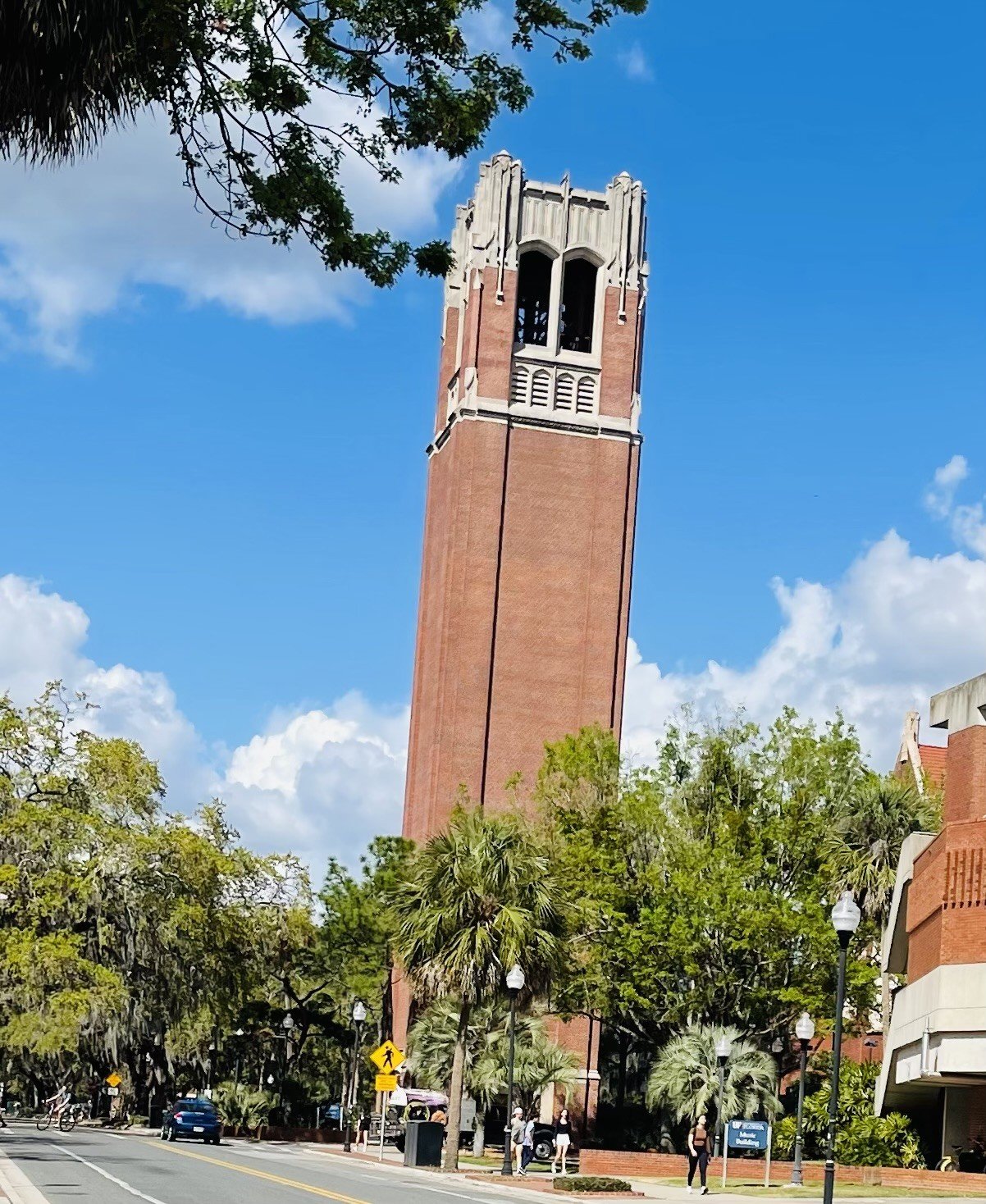
{Image Credit: Dr. Rachel J.C. Fu @UF Century Tower}

Cheering Smart: A Fan’s Guide to Staying Safe at Mega-Sport Events

Dr. Rachel J.C. Fu, Chair & Professor of Dept. of Tourism, Hospitality and Event | Director of the Eric Friedheim Tourism Institute at the University of Florida

“Play it cool, stay alert, and enjoy the moment. You came for the game. Let safety help you win the whole trip.” – Dr. R.J. Fu

Recent reports of violence linked to the Jalisco New Generation Cartel (CJNG) near Guadalajara have understandably raised concerns, because the city is scheduled to host matches during the upcoming FIFA World Cup. While the timing intensifies attention, history suggests that criminal violence and mega-sporting events do not follow a simple cause-and-effect relationship.

Mexico’s experience with organized crime is not new, and neither is the presence of cartel activity in states that serve as cultural, economic, and tourism hubs. Jalisco, like many regions, has long balanced global visibility with internal security challenges. What has changed in recent years is not merely the existence of violence, but the speed and scale at which it circulates through media ecosystems stripped of historical context. That amplification can make isolated or localized events appear as indicators of systemic collapse, even when they are not.

Looking globally, similar situations have played out repeatedly. Brazil hosted the World Cup and Olympics amid concerns over crime and political unrest; South Africa faced scrutiny before the 2010 World Cup due to violent crime rates; Russia hosted the 2018 World Cup despite geopolitical tensions; and France has repeatedly staged major sporting events while managing terrorism and social unrest. In each case, governments significantly reinforced security protocols, often with international coordination, and the events themselves proceeded without major disruptions tied directly to those fears.

It is also important to understand cartel behavior strategically. Groups such as CJNG are primarily focused on territorial control, logistics, and signaling power to rivals and the state not on undermining international sporting events that bring overwhelming security presence and global law-enforcement attention. Historically, criminal organizations tend to avoid actions that provoke unified state response or jeopardize long-term economic flows, including tourism and commerce that indirectly benefit regional economies.

From a governance standpoint, host cities for events like the World Cup typically undergo years of preparation that extend far beyond stadium readiness. These preparations include intelligence sharing, militarized policing strategies, surveillance upgrades, and coordinated emergency response planning. Guadalajara’s inclusion as a host city means it will be operating under an intensified security framework well before the first whistle is blown.

That said, acknowledging historical patterns does not mean minimizing real social challenges. Organized crime reflects deeper structural issues economic inequality, regional disparities, and global demand for illicit markets. Major sporting events do not solve these problems, but they can temporarily alter enforcement dynamics and spotlight state capacity.

While recent violence near Guadalajara is serious and deserves attention, history suggests it is unlikely to directly threaten the successful hosting of World Cup matches. Mega-events and criminal activity have coexisted before, and host governments typically respond by tightening control rather than retreating. The real story is not whether Guadalajara can host the World Cup, but how enduring social and security challenges continue to shape life long after the final match ends.

Attending a mega-sporting event as a tourist or supporter is electric: crowds buzzing, flags everywhere, vibes immaculate. Still, big fun works best with smart planning. Here are practical, no-nonsense safety tips to keep the experience memorable for the right reasons.

1.     First, plan before you land. Research the host city, including transportation routes, safe neighborhoods, and emergency numbers. Save key addresses offline on your phone in case data drops. Register with your country’s embassy if that option is available—it’s old school, but it works.

2.     Second, move like a local, not a target. Dress comfortably and avoid flashing valuables. Keep phones, wallets, and passports secured—crossbody bags with zippers beat back pockets every time. Carry only what you need for the day; the rest stays locked up.

3.     Third, arrive early and leave smart. Mega-events mean congestion. Use official transport options recommended by organizers and follow crowd-control instructions. After matches, resist the urge to rush—crowd surges are more risky than the event itself. Patience is a safety skill.

4.     Fourth, stick to verified information. Rely on official event apps, venue announcements, and trusted local news. Ignore rumors spreading on social media—panic travels faster than facts. If something feels off, trust your instincts and relocate calmly.

5.     Fifth, hydrate, eat, and rest. Heat, alcohol, and long walking days can sneak up on you. Drink water regularly, pace alcohol consumption, and know where medical tents are located. Taking care of your body is part of staying safe.

6.     Sixth, travel in pairs or groups when possible. There’s strength in numbers, especially at night. Share itineraries with someone back home and check in regularly.

Finally, respect local laws and culture. What’s normal at home may not fly abroad. Knowing basic customs and regulations helps you avoid unnecessary trouble.

In moments of heightened attention and uncertainty, perspective matters as much as preparation. History shows that mega-sporting events endure not because risks disappear, but because institutions, communities, and individuals adapt intelligently. For fans, the wisest approach is simple: stay informed, stay respectful, and let awareness, not fear, shape an experience meant to unite the world through sport.

{Image Credit: @johnneshuebner} An opening celebration for a World Cup mega-event, held in a packed stadium

Champions on the Stage, Champions in the Stands!

Dr. Rachel J.C. Fu, Chair & Professor of Dept. of Tourism, Hospitality and Event | Director of the Eric Friedheim Tourism Institute at the University of Florida

 “Gold medals shine. But devotion? That’s the real brilliance. And it belongs to every athlete who dared to chase excellence, knowing exactly how unforgiving the stage can be.” – by R.F.

Watching the Olympics reminds us what inspiration really looks like: pressure, talent, invisible hard work, patience, and pain dressed up as glory. Being an Olympic gold medal holder isn’t just about winning. It’s about surviving everything that tried to stop you long before the anthem ever played.

At the Olympic Games, gold appears shiny, elegant, almost effortless on television. One perfect routine. One flawless race. Gold is not a performance. It’s a receipt for a life spent choosing the difficult path, every single day.

Skill is the obvious part. You can see it. Measure it. Score it. Time it. But skill alone never creates a champion. At this level, everyone is skilled. Everyone is elite. What separates the gold medalist is precision under chaos. When the lights are blinding, the crowd is roaring, and history feels heavy, the champion finds flow. Where movement becomes instinct instead of calculation. That is artistry born from discipline.

And yes, artistry matters. Even in the most technical sports, there is beauty. A gymnast suspended in the air just a fraction longer than gravity allows. A skater carving the ice like it personally offended them. A runner whose stride looks less like effort and more like language. These moments don’t happen by accident. They are sculpted through years of refinement: tiny adjustments no one notices, yet everyone feels. Art at the Olympics isn’t decoration; it’s mastery made visible.

Flow is where champions live. Not forever, no one stays there, but long enough. Flow is fragile. One doubt can fracture it. One mistake can shatter it. Entering flow on the biggest stage in the world requires emotional control that borders on supernatural. Gold medalists aren’t fearless. They’re better at carrying fear without letting it drive. That kind of toughness can’t be measured.

Then there is the champion’s mindset. Gold medal holders compete against others, but mostly against themselves. Against past failures. Against expectations. Against that quiet voice asking, What if today isn’t the day? Champions show up anyway.

For the final winner (the one who earns the applause, the podium, the history books), there is joy. Also relief. Because no matter how much preparation goes in, the margin between gold and not-gold is terrifyingly thin. Hundredths of a second. A tenth of a point. A landing that’s just a little cleaner. Greatness at this level is fragile, and that fragility is what makes it sacred.

But here’s the part we don’t talk about enough: the athlete who almost stepped onto the top of the stage. The silver medalist. The fourth-place finisher. The one who did everything right and still came up short. The complexity of that experience is beyond what we know. Imagine dedicating your entire life to a single moment and arriving just a breath away. That isn’t failure. That’s excellence colliding with heartbreak. That’s pride wrestling disappointment. That’s being among the best in the world while feeling invisible to history.

Those athletes carry a different kind of toughness. The toughness to keep loving the sport when it doesn’t love you back. The toughness to applaud the winner while swallowing disappointment. The toughness to redefine success in a world obsessed with first place. If gold medalists are forged in fire, those who miss the top step are forged in silence.

I admire all of them. Every athlete who devoted their life, their body, and their talent to a performance measured in seconds or judged in stillness. I admire the sacrifices we never see: the missed birthdays, the postponed normal lives, the courage it takes to risk everything in front of the world.

Being a champion audience matters more than we admit, because the spirit of the Olympic Games doesn’t live only on the podium. It lives in the stands, in the applause given freely to every contestant. True championship support means watching with admiration for the talent, excitement for the moment, respect for the journey, and understanding of the sacrifice behind every performance. It means cheering not just for gold, but for courage, effort, and resilience. When audiences honor every athlete—winner or not—they become part of the legacy, lifting competitors higher with their energy and humanity. That kind of support reminds the world that excellence deserves recognition, dedication deserves respect, and the future of sport is brighter when appreciation is shared, loud, and generous.

{Image Credit: @Sean_ca} People gathering at the Duomo di Milano plaza, Italy.

High Touch in a High-Tech World: Why Hospitality Still Runs on the Human Heart

Dr. Rachel J.C. Fu, Chair and Professor of Dept. of Tourism, Hospitality and Event | Director of the Eric Friedheim Tourism Institute at the University of Florida

 “WELCOME isn’t a slogan. It’s a discipline. It requires training, servant leadership, and emotional intelligence, supported by automation not replaced by it.” – by Dr. Rachel Fu

We live in a moment where robots greet guests, algorithms price rooms, and automation promises “frictionless” everything. Cool? Absolutely. Enough? Not even close. Real hospitality has never been about frictionless. It’s been about feeling seen.

Technology can scale service, but it cannot care. That’s where hospitality education earns its keep. The future of customer service isn’t human or machine. It’s human plus machine, grounded in servant leadership, emotional intelligence, and thoughtful manners, and amplified (not erased) by automation.

Service Is Not a Task. It’s a Relationship.

At its core, hospitality is an act of service rooted in dignity and respect. Servant leadership flips the script from “How do I manage?” to “How do I help?” It asks future leaders to put ego on the shelf and curiosity front and center. When leaders model service-first behavior, it cascades into teams, into guest interactions, into culture.

Reading a room. Sensing stress before it becomes a complaint. Knowing when silence is more powerful than a script. These are human skills, sharpened through education, practice, and proper training. You don’t wake up emotionally intelligent. You’re coached into it.

Robots can deliver towels. They can’t deliver reassurance.

Manners Still Matter

Thoughtful manners aren’t old-school; they’re timeless. Eye contact. Tone. Timing. Knowing when to step in and when to step back. No passive aggression. No aggressive pleasantness. Hospitality education teaches students that details are never “small” to the person experiencing them. A forgotten name, a rushed response, or a dismissive gesture can undo a million-dollar technology investment in seconds.

Automation manage repetitive tasks so humans can focus on meaningful interactions. When used effectively, technology enables staff to deepen personal connections rather than retreat behind screens.

The Myth of Replacement vs. the Reality of Integration

Automation delivers speed, consistency, and insight. Humans deliver empathy, judgment, and trust. The real advantage emerges when hospitality professionals are trained to use intelligent systems to personalize service without losing authenticity.

Automation isn’t the risk. Untrained humans hiding behind it are.

WELCOME: The Seven Love Languages of Service

Guests don’t remember your software update. Your guests remember how you made them feel.

Warm Recognition

This is more than a name on a screen. It’s remembering preferences, honoring repeat visits, and acknowledging the person, not the transaction. Warm recognition says: “We see you. You matter here.” Automation can store data and humans turn data into dignity.

Empathic Presence

Empathic presence means listening without rushing, responding without defensiveness, and being emotionally available when it counts. No robot can replace genuine human awareness.

Listening with Intention

Hearing is passive. Listening is leadership. This language is about catching what’s said and what’s unsaid including frustration, excitement, and/or hesitation. Trained teams don’t just react, they understand.

Careful Craftsmanship

Excellence lives in the details. Clean rooms. Accurate orders. Seamless transitions. Careful craftsmanship is love expressed through consistency. It’s the discipline to do things right even when no one is watching. Quality is never accidental. It’s trained.

Ownership with Grace

Mistakes happen. What matters is who owns them. Ownership with grace means empowered employees who fix issues quickly, sincerely, and without excuses. Just accountability with humanity.

Mindful Anticipation

This is proactive service informed by insight and intuition. Using data, experience, and emotional intelligence to meet needs before guests ask without crossing into intrusion. Technology helps predict. Humans decide how to deliver with tact and respect.

Elevated Generosity

A handwritten note. A thoughtful upgrade. A small gesture that says, “We care beyond policy.” Elevated generosity turns ordinary moments into emotional connections and emotional connections into long-term loyalty. These languages cannot be automated. They can be supported, measured, and enhanced. Robots can optimize service. Only humans can mean it.

Hospitality Education Is the Differentiator

Hospitality education is where this integration becomes intentional. Where future leaders learn ethics alongside analytics, empathy alongside engineering. Where students are trained not just to operate systems, but to steward experiences.

The institutions that get this right will produce graduates who can lead teams, leverage technology responsibly, and still look a guest in the eye and mean it when they say, “WELCOME.”

If hospitality loses its humanity, it loses its soul and eventually, its customers. The brands that will win aren’t the most automated; they’re the most attuned. High tech without high touch is just efficient indifference.

Train people well. Lead with service. Use robots wisely. Loyalty is not earned by code alone it’s sustained by care. That’s the future.


Customer Service at the Modern in NYC. {Image Credit: K. Fu}

A Holiday Reset Worth Sharing: Joy, Calm, and a Little Bit of Magic

Dr. Rachel J.C. Fu, Chair and Professor of Dept. of Tourism, Hospitality and Event | Director of the Eric Friedheim Tourism Institute at the University of Florida

This holiday season, my family and I didn’t just travel, we rebooted. Not the frantic, checklist kind of trip. This one was intentional. Joy-forward. Memory-rich. The kind of experience that recalibrates your nervous system and reminds you what fun is supposed to feel like.

Our anchor stop was Epic Universe at Universal Orlando, and this park isn’t just themed entertainment; it’s engineered happiness.

From the moment we stepped into Nintendo World, it felt like walking inside a game console but without the screen fatigue. Color exploded everywhere. Movement, music, and playful chaos were choreographed. The Mario Kart–style AR ride deserves its flowers. This wasn’t passive riding it was full-body engagement. Augmented visuals layered over physical sets, turning us into active players inside a live game. Steering, aiming, teaming up, suddenly, the line between digital and physical play disappeared. No learning curve, no intimidation. Just pure, shared delight.

Then came the cartoon-inspired rides that were lighter, gentler, and sweet. These rides didn’t shout for attention; they hummed. Soft melodies, smooth motion, whimsical storytelling. During the calm pace and the familiar animated worlds, our adult selves relaxed enough to let our inner kids step forward. Shoulders dropped. Smiles lingered. Laughter came easier. It was memory without weight.

If Nintendo World gave us joy, the Harry Potter Ministry–themed experience took our breath away. This was cinematic immersion at its peak. The vision. The detail. The sense of stepping into a living, breathing world where ceilings loom, walls move, and time bends. The roller coaster elements were not just thrilling. They were disorienting in the best way. You weren’t riding through a story; you were inside it.

Add Christmas lights woven into every corner of the park and fireworks lighting up the night sky, and suddenly the day felt suspended in amber. Not rushed. Not overstimulated. Just… perfect. One of those rare days where you don’t check the time because you don’t want it to move.

The next day, we slowed the tempo. A nearby state park offered quiet trails, still water, and space to breathe. We found ourselves lingering, observing, letting nature set the rhythm. Along the way, we picked up a pair of colorful swan garden pieces. They now live in our home garden, adding flow, color, and a gentle reminder that beauty doesn’t need to be loud to be lasting.

That same theme carried us to a neighborhood horse-riding training park. There’s something grounding about horses including their beautiful eyes, their presence, and their authenticity. We met the sweetest beginner horses: patient, calm, intuitive. And then there was the competition horse. She is so beautiful, powerful, and aware of her own elegance. Watching skill, discipline, and trust move together was its own kind of poetry. No rush. No spectacle. Pure excellence.

Evenings were reserved for something beautifully simple: movies. No multitasking. No scrolling. Just stories for the sake of storytelling. High-octane fun like the latest F1 film showcasing our real F1 champions. Rewatches of Harry Potter. Timeless gravity from It’s a Wonderful Life and The Godfather. And a few Oscar-nominated films that reminded us why cinema still matters. Some inspired. Some purely entertaining. All shared.

And here’s the inspiration from December 2025: the best travel destination isn’t always stamped on a boarding pass.

The best destination is home. When home is filled with warmth, laughter, familiar rituals, and space to be fully present. When it restores you instead of draining you. When it puts a real smile on your face, not a curated one.

This holiday wasn’t about doing more. It was about feeling more.

Joy from play. Calm from gentle rides. Peace from nature. Strength from animals. Comfort from stories. Meaning from togetherness. That’s the kind of travel that sticks.

And as we step into 2026, we’re not just rested, we’re restored and ready. Ready with lighter hearts, sharper focus, and a blessed confidence that the year ahead is going to be fantastic.

Epic Universe {Image Credit: Dr. Rachel J.C. Fu}

The Great Holiday Reset: How We Choose Where to Go: Protecting your mental health is not selfish. It’s leadership.

Dr. Rachel J.C. Fu, Chair and Professor of Dept. of Tourism, Hospitality and Event | Director of the Eric Friedheim Tourism Institute at the University of Florida

Holiday travel used to be predictable. You went “home,” you packed too much, you ate too much, and you survived the group photo. Tradition ruled. But today’s holiday destination choices are less about geography and more about psychology, logistics, health, and emotional survival.

Post-pandemic, climate-aware, price-sensitive, and mentally exhausted travelers are making smarter, sharper, and sometimes honest decisions about where (and whether) to go. The holidays are no longer just a season. They’re a stress test. Plan wisely and you come back restored. Wing it, and you come back needing a vacation from your vacation.

Weather Is No Longer Background Noise. It’s a Strategy.

Weather used to be vibes. Now it’s risk management.

Extreme cold, heat waves, winter storms, flooding, and wildfire smoke have turned climate into a primary decision driver. Travelers are asking:

  • Can we actually get there and back?

  • Will we be stuck indoors?

  • Is this destination resilient or fragile during peak season?

Choose destinations with climate flexibility - places that offer both indoor and outdoor experiences, solid infrastructure, reliable healthcare access, and walkability. If the forecast already looks dramatic two weeks out, take the hint. Romance disappears fast when flights cancel and patience does too.

Travel Arrangements: Friction Is the Enemy of Joy

Holiday burnout often starts before you arrive. Crowded airports, delayed flights, rental car shortages, and overpacked itineraries drain emotional energy fast for families. The more complex the travel chain, the higher the stress tax.

Destination strategies that win:

  • Fewer connections, even if it costs slightly more

  • Shorter travel distances for multi-generational groups

  • Locations with reliable public transit or walkability

  • One “home base” instead of constant movement

Build white space into the itinerary. One unscheduled afternoon can save the entire trip and even several relationships.

Price Isn’t Just About Money—It’s About Control

Holiday travel pricing has become unpredictable. Dynamic pricing, surge demand, and hidden fees create anxiety long before departure. Financial stress quietly hijacks emotional presence. People now choose destinations based on:

  • Transparent pricing

  • All-inclusive or bundled experiences

  • Predictable meal and activity costs

  • Value over luxury optics

Peace of mind is the new premium upgrade. Overspending to “make it special” often leads to post-holiday regret. A calm, affordable destination beats an Instagram-worthy meltdown every time.

Health Comes First—And Not Just Physical Health

Travelers are thinking differently about health:

  • Access to urgent care and pharmacies

  • Clean air and water

  • Walkability and mobility for aging parents

  • Low-stress environments for children

Mental health has quietly taken center stage. Crowds, noise, social expectations, and constant togetherness can overwhelm even the most loving families. Destinations that allow personal space, nature access, or flexible pacing are winning. A “healthy” destination is one that allows people to regulate their nervous systems not just count steps.

Family Dynamics: Design for Connection, Not Performance

The holidays come with invisible job descriptions: host, peacemaker, organizer, emotional sponge. Burnout doesn’t come from travel. It comes from unspoken expectations. Smart destination planning acknowledges reality:

  • Separate bedrooms or private spaces matter

  • Multi-generational trips need multiple activity levels

  • Not everyone connects the same way (talkers vs. walkers vs. quiet observers)

Connection doesn’t require constant togetherness. Sometimes the most meaningful moments happen after everyone’s had space to breathe. Schedule intentional connection moments (shared meals, one group activity) and let the rest be optional. Forced fun is still forced.

Grandparents, a gentle reminder: this is your season to enjoy, not to advise. Please savor the time, the laughter, and the memories. Parenting guidance, unless requested, can stay on holiday too.

Reconnection Is the Real Destination

People aren’t traveling just to escape work. They’re traveling to reconnect:

  • With aging parents

  • With children and/or grandchildren who are growing fast

  • With partners who’ve been in survival mode

  • With themselves

Destinations that encourage storytelling, shared rituals, and slower rhythms support deeper reconnection. Cabins, coastal towns, cultural hubs, wellness retreats, and heritage destinations are rising for this reason. If the destination requires constant rushing, it blocks reconnection.

Presence needs pace.

Mental Health Survival Tips for Holiday Travel

Holidays can be emotionally expensive. Here’s how to protect yourself while still showing up.

Before you go

  • Decide what you’re not responsible for

  • Set realistic expectations (not everyone will change)

  • Communicate boundaries early, calmly, clearly

During the trip

  • Take daily solo resets (walks, quiet coffee, early bedtime)

  • Limit alcohol if emotions are already running high

  • Step away from conflict early—not dramatically

After

  • Don’t stack intense social commitments immediately after returning

  • Reflect on what worked and what didn’t for next year

Safety Is Emotional, Not Just Physical

Safety means secure lodging, reliable transportation, and medical access. But emotional safety matters just as much. Choose destinations where:

  • You feel culturally welcomed

  • You can opt out without guilt

  • There’s room to decompress

Families function better when people feel safe being themselves, not performing holiday perfection.

How to Select the Right Holiday Destination (Quick Guide)

Ask these questions honestly:

  1. Does this destination reduce stress or add to it?

  2. Can everyone get rest and connection?

  3. Are costs predictable?

  4. Is the weather manageable, not heroic?

  5. Does the place allow flexibility if plans change?

  6. Will I return feeling more like myself?

If the answer is mostly “yes,” you’re on the right track.

Final Thought: Choose Precious Moments Over Tradition

Tradition matters but not at the expense of health, safety, and sanity. The most successful holiday destinations today aren’t the most famous or expensive. They’re the ones that support emotional regulation, genuine connection, and recovery from a long year of pressure. This season, the real flex isn’t where you go. It’s how intentionally you care for yourself and the people you love while you’re there.

Choose with intention. Travel with care. Return grounded, not drained.  Happy Holidays!

NYC. {Image Credit: Dr. Rachel J.C. Fu}

Why the 2035 Workforce Revolution Demands Interdisciplinary Leadership—Now

Dr. Rachel J.C. Fu, Chair and Professor of Dept. of Tourism, Hospitality and Event | Director of the Eric Friedheim Tourism Institute at the University of Florida

 “Degrees without applied robotics exposure will rapidly lose relevance.” – by Rachel Fu

By 2035, robotics will no longer be experimental or optional. It will function as core operational infrastructure across hospitality, healthcare, agriculture tourism, human services, transportation, safety, entertainment, and human performance. The real value of robotics is not automation alone. Its power lies in interdisciplinary collaboration grounded in human-centered design. Leaders in industry and higher education carry both a strategic and ethical responsibility to prepare systems and students for a robotics-enabled future that addresses workforce shortages, accelerates innovation, improves safety, and protects human dignity.

Workforce Shortages Are Structural

Labor shortages are not cyclical disruptions. They are structural realities. Aging populations, declining birth rates, post-pandemic burnout, and rising service expectations have altered labor markets. Hospitality faces chronic frontline instability. Healthcare struggles with staffing capacity and fatigue. Agriculture tourism faces compounded challenges such as seasonal labor volatility, rural workforce scarcity, physical strain, safety risks, and rising visitor expectations for high-quality experiences. Transportation, safety, and human services are stretched beyond sustainable limits.

Robotics is not a threat to humanity. It is a reinforcement of it. By 2035, robotics will absorb repetitive, hazardous, and physically demanding work from hospital logistics and hotel operations to farm-based guest services, harvest-adjacent experiences, food processing demonstrations, and visitor flow management in agri-tourism environments. It will allow smaller teams to deliver consistent, high-quality services. It will reduce injury, error, and burnout. Leaders who delay adoption are not protecting jobs. They may be increasing operational risk, worker harm, and service failure.

Robotics Is the Interdisciplinary Platform

Robotics cannot succeed in isolation. Every functional robot represents the convergence of design, engineering, data, ethics, and domain expertise. This makes robotics the most powerful interdisciplinary platform of the next decade. In hospitality and healthcare, service robots already support logistics, sanitation, food delivery, and patient or guest assistance. In agriculture tourism, robotics supports precision agriculture demonstrations, autonomous field tours, smart visitor engagement, livestock monitoring, crop-health visualization, and food-safety logistics. In human performance and safety, wearable robotics and fatigue-monitoring systems reduce injury and extend careers. In transportation and logistics, autonomous delivery robots solve last-mile challenges. In entertainment and experience design, robotics enables immersive, responsive environments. In human services, assistive robots expand accessibility and independence.

Robotics forces disciplines to share a common language. That language is performance, safety, ethics, and impact. This is why robotics reshapes industry, rural economies, and education simultaneously.

Robotics Functions and Efficiencies by 2035

By 2035, core robotics capabilities will be mature and more deployed. Autonomous navigation and task execution will be standard. Human–robot collaboration will be routine. Predictive maintenance and self-diagnostics will reduce downtime. Emotional recognition and adaptive interaction will improve service quality. Digital twins will enable continuous simulation and optimization.

For agriculture tourism, this means safer farm environments, scalable visitor experiences, reduced dependency on seasonal labor, improved compliance, and enhanced storytelling through data-driven, immersive systems.

The efficiency gains are measurable. Robotics enables 24/7 operations without fatigue. Error rates drop in high-stakes environments. Service delivery becomes faster and more consistent. Long-term operational costs stabilize. Compliance and safety monitoring improve. Organizations that adopt early will innovate faster and attract future-ready talent across urban, rural, and hybrid economies.

Experiential Learning Will Never Look the Same

Robotics fundamentally changes how students learn. It shifts education from passive knowledge transfer to active system design. Students engage in hands-on labs that integrate robotics, AI, and digital twins. They learn through scenario-based simulations that mirror hospitals, hotels, transit hubs, working farms, food systems, agri-tourism attractions, and emergency environments. Industry co-developed capstones replace abstract assignments. Ethics is embedded directly into code and hardware decisions.

Students do not simply learn robotics. They learn leadership, accountability, integrity, and systems thinking including how technology supports sustainability, food security, rural resilience, and visitor experience design.

By 2035, employers will expect graduates who can work across disciplines, design human-centered robotic systems, and evaluate return on investment, risk, and ethics at the same time.

Robotics Must Be Designed with Humanity

The greatest risk in robotics is not the technology. It is irresponsible leadership. Poor governance creates surveillance, bias, and loss of trust. Human-centered robotics prioritizes dignity over efficiency alone. It supports workers instead of deskilling them. It improves safety without obscuring accountability.

In agriculture tourism, this means protecting farm workers, respecting rural communities, safeguarding data ownership, and ensuring that technology enhances not replaces human connection between producers and visitors.

Responsible robotics requires transparent algorithms, bias-aware AI models, clear human override protocols, and institutional ethical governance. CEOs and academic leaders are not merely adopters. They are stewards of trust, ideally.

What Institutions and Industry Must Build Now

Robotics readiness requires intentional investment. Physical infrastructure must include collaborative robots, autonomous mobile robots, service and assistive robots, wearable robotics, advanced sensor systems, and simulation and digital twin labs. Learning environments must be modular and realistic, mirroring hospitals, hotels, transit systems, agriculture tourism sites, food production environments, and rural visitor ecosystems.

Design requirements must emphasize human-centered frameworks, universal accessibility, interoperable systems, and safety-certified testing zones. Cross-disciplinary studio spaces are essential.

Software foundations are critical. Institutions may consider supporting ROS/ROS2, Python and C++ programming, machine learning and computer vision, digital twin platforms, edge computing, IoT integration, cybersecurity, and data governance. Robotics excellence emerges through industry partnerships, joint research labs, co-funded pilots, embedded fellowships, and faculty–industry rotations—including partnerships with farms, agri-tourism operators, food systems innovators, and rural development organizations.

Leadership Responsibilities Are Clear

For CEOs, robotics strategy is workforce strategy. Ethics is a competitive advantage. For presidents and provosts, robotics literacy is foundational. For professors, theory without application is no longer sufficient. Students deserve relevance, rigor, and responsibility.

Conclusion: The Robotics Era

Robotics will not erase humanity. It will expose leadership choices. Institutions and organizations that invest early, ethically, and collaboratively across hospitality, healthcare, transportation, agriculture tourism, space engineering, and beyond will define safer services, smarter systems, resilient rural and urban economies, and future-ready workforces. Those who hesitate will inherit fragile operations and unprepared graduates.

The robotics revolution of 2035 is already underway. The only question left is whether leaders choose to shape it—or scramble to catch up.

A Service Robot at a ‘Duck’ restaurant in Tainan, Taiwan. {Photo Image by Dr. Rachel J.C. Fu}

Dancing Through Delays: How NYC Still Stole the Show

Dr. Rachel J.C. Fu, Chair & Professor of Dept. of Tourism, Hospitality and Event | Director of the Eric Friedheim Tourism Institute at the University of Florida

In early October, my family and I planned a much-anticipated getaway to New York City, the first since our pre-pandemic college visit years ago. We had the perfect weekend lined up: arriving Friday evening, savoring flavors from around the world (including Lebanese, Greek, Taiwanese, Korean, and more) and then, on Saturday, indulging in an eight-course Michelin-two-star dinner at The Modern at MoMA. Afterward, we’d stroll through Tiffany & Co. and Rockefeller Center, grab late-night dumplings at Din Tai Fung in Times Square, and cap it all off with a dazzling Moulin Rouge Broadway show. Sunday’s plan was simple: a quiet tea before catching a mid-morning flight home.

Just one day before our trip, the FAA announced widespread flight reductions beginning Friday, November 7, with possible cancellations (up to 14-15%) through November 12. For a few anxious hours, I hovered over the “cancel” button on every reservation. But after listening to the FAA director’s calm TV interview, I decided to trust the process and go, with a heart full of uncertainty.

Friday came, and miraculously, our flights were not canceled. Atlanta’s airport buzzed as usual, though the mood was subdued. Travelers were tense but kind, unified by one hope: to simply get where we needed to go safely. With federal workers unpaid and stretched thin, everyone seemed more patient, more human.

New York welcomed us with unexpected serenity. Carnegie Hall wasn’t full, MoMA was calm, and The Modern was perfection, every dish flawless, the staff graceful, and the kitchen tour pure inspiration. Tiffany’s shimmered, Rockefeller sparkled, and even crowded Times Square felt strangely manageable. Excitement filled the air, though a quiet worry lingered: would we make it home?

Sunday morning, two flights before ours were canceled. We arrived at LaGuardia a cautious three hours early (because, well, New York traffic plus construction equals chaos). Boarding went smoothly but then came an hour-long runway delay.

Countless travelers were dashing through the terminals, some sprinting, others power-walking, all racing the clock to catch their next flight. The shuttles transporting passengers between concourses were packed and hectic as ever. I even saw a few husbands using their backpacks to block the closing shuttle doors so their slower-walking wives or partners could squeeze in, well-intentioned, but definitely risky business!

I was sure I’d miss my Gainesville connection in Atlanta. Luckily, that flight was delayed too, and somehow, everything aligned. We made it home, tired but grateful.

The weekend was peppered with uncertainty, but it also reminded me that travel, at its best, is about flexibility, patience, and humanity.

10 Smart Travel Strategies for Uncertain Times

  1. Buy travel insurance early. Look for “cancel for any reason” coverage. It’s worth every penny when disruptions hit.

  2. Book refundable hotels and flights. Flexibility equals peace of mind.

  3. Fly early in the day. Mid-morning flights are less likely to be canceled or delayed.

  4. Keep essentials in your carry-on. Medications, chargers, and snacks. Pack like your luggage won’t make it.

  5. Track your flights. Use apps like FlightAware or your airline’s app for real-time updates.

  6. Sign up for TSA PreCheck or CLEAR. When staff are short, these programs can save your sanity.

  7. Plan extra connection time. Especially during government shutdowns, delays can stack fast.

  8. Stay kind and calm. Airport staff are often stressed too. Patience and respect can work wonders.

  9. Use credit cards with travel protection. Many premium cards cover delays, lost bags, and cancellations.

  10. Expect the unexpected. Leave room in your itinerary for surprises, sometimes, the most unforgettable memories are the unplanned ones.

As the government shutdown continues, my holiday wish is for swift resolution, a win-win that restores paychecks and peace of mind to the countless federal employees facing food, housing, and utility deadlines with quiet strength. May this season still bring moments of calm, warmth, and connection with those we hold dear. And may we never forget what a gift it is to have meaningful work/career, the freedom to travel, and the joy of creating lasting memories with our loved ones.

{Image Credit: R.J.F}


Virtual Tourism: A Smart Path to Easing Overtourism and Greening the Globe

Dr. Rachel J.C. Fu, Chair & Professor of Dept. of Tourism, Hospitality and Event | Director of the Eric Friedheim Tourism Institute at the University of Florida

By 2035, the world’s most loved destinations from Venice to Yellowstone may face a paradox. Their very popularity risks destroying what makes them special. The tourism sector, which accounts for nearly 10% of global GDP, is responsible for about 8% of global carbon emissions. The rise of virtual tourism, powered by augmented reality (AR), virtual reality (VR), the Internet of Things (IoT), and real-time streaming, offers a powerful new playbook. It is expected to relieve pressure on physical sites while still driving economic impact and engagement.

A New Reality: Experiencing Without Overcrowding

Imagine slipping on a VR headset to join the Formula One’s Monaco Grand Prix or NASCAR Daytona 500 complete with live telemetry, driver biometrics, and IoT-linked pit-lane sensors feeding your haptic chair vibrations. Or stepping virtually into a Michelin-starred kitchen in Tainan (Taiwan) to watch street-food artistry unfold, the steam from the wok simulated in 4D AR. A virtual spa in Iceland can even synchronize scent diffusers and temperature cues to mimic the Blue Lagoon experience.

These experiences don’t replace the real thing. They augment, educate, and entice. They serve as sustainable pre-travel immersion, letting travelers explore responsibly before committing to physical travel, reducing unplanned and high-impact trips.

How Virtual Tourism Can Lighten Overtourism’s Load

Overtourism causes crowding, strain on infrastructure, and degradation of heritage and natural sites. Virtual experiences act as “pressure valves,” offering:

  1. Digital Diversion: Encourage travelers to “visit” digitally first, diverting a portion of demand from fragile ecosystems and historical sites.

  2. Temporal Redistribution: Promote virtual visits during peak times, while nudging off-season or less-known destinations for physical travel.

  3. Inclusive Access: People with mobility limitations, cost barriers, or environmental concerns can participate in tourism without physical strain.

  4. Cultural Preservation: Digitally archive and showcase cultural rituals, cuisine, and performances without over-commercializing local communities.

  5. Revenue Diversification: Virtual entry fees, NFT-based souvenirs, and live-stream sponsorships can financially support real-world conservation.

AR/VR and IoT: The Experience Ecosystem

Virtual tourism becomes powerful when AR/VR integrates with IoT data streams:

  • AR Gastronomy Tours: Smart glasses overlay ingredient sourcing, chef stories, and tasting notes while live-streaming from real kitchens.

  • IoT-Linked Spas: Smart bracelets track heart rate and stress response as users undergo a “digital onsen” guided by AI therapists.

  • Live Sporting Feeds: Fans join metaverse-style viewing pods where IoT-fed live stats and real crowd noise create hyper-real immersion.

  • Gamified Adventures: Users compete in virtual scavenger hunts around the Great Barrier Reef or Machu Picchu, blending education with conservation messaging.

Ten Doable Strategies to Promote Virtual Tourism for a Greener Future

  1. Create Dual-Access Passes: Combine virtual previews with discounts for off-season, lower-impact travel.

  2. Partner with Destination Marketing Organizations (DMOs): Use VR storytelling to highlight sustainability initiatives.

  3. Integrate Eco-Credits: Reward users with carbon offsets or digital badges for choosing virtual experiences.

  4. Launch “Virtual First” Campaigns: Encourage travelers to explore virtually before booking, reducing spontaneous mass trips.

  5. Build Educational Layers: Add sustainability trivia or interactive guides explaining ecosystem fragility.

  6. Offer Local Business Links: Within VR, enable direct purchases from artisans, chefs, or guides stimulating real economies.

  7. Standardize Virtual Experience Quality: Set ethical and technical benchmarks for authenticity, cultural sensitivity, and accuracy.

  8. Leverage AI Personalization: Use predictive analytics to tailor content to users’ interests and suggest eco-friendly travel alternatives.

  9. Gamify Participation: Develop competitions rewarding users for “green travel behaviors” or virtual exploration milestones.

  10. Collaborate Globally: Partner with UNESCO, UNWTO, and regional governments to integrate virtual tourism into national sustainability agendas.

Strategic Actions to Release the Burden of Overtourism

  1. Digital Twin Destinations: Create VR replicas of over-visited sites to offload real-world footfall.

  2. Smart Visitor Management: Use AI to forecast crowd density and redirect tourists to less-visited attractions.

  3. Dynamic Pricing Models: Adjust admission fees based on visitor load; offer virtual experiences at reduced rates during congestion.

  4. Virtual Queue Systems: Let travelers “experience while waiting,” turning long queues into immersive pre-tours.

  5. Geo-Fenced AR Trails: Replace physical trail expansion with AR overlays guiding users virtually through protected zones.

  6. Sustainable Content Creation: Train influencers and vloggers to promote hybrid experiences that emphasize conservation.

  7. Local Community Revenue Sharing: Ensure VR/AR proceeds flow to heritage protection and local economies.

  8. Cross-Platform Integration: Link virtual tours to national park apps or museum sites for continuous engagement pre- and post-visit.

  9. Virtual Heritage Restoration Projects: Use 3D scanning and VR archiving to preserve sites threatened by climate or human impact.

  10. Continuous Data Feedback Loop: Combine IoT data from both virtual and real visitors to refine sustainability and capacity management.

Conclusion: Virtual First, Sustainable Always

Virtual tourism isn’t about replacing the real. It’s about rebalancing it. By blending AR, VR, IoT, and creative design, destinations can safeguard their cultural and natural heritage while still stimulating economic growth and human curiosity. The world doesn’t need fewer travelers; it needs smarter, digitally-empowered explorers.

Whether you’re tuning into the Monaco Grand Prix from your couch, joining a virtual Taiwanese’s cooking class, or meditating in a simulated Kyoto Garden know that every digital journey can make the real world breathe a little easier.

A sweet tip in 2025. This Halloween, we’re saving teeth and the planet. Instead of handing out 10 pounds of sugar, we’re going virtual. Each candy is now a downloadable NFT (Nice-Flavored Treat).  No cavities, no wrappers, and the calories delete themselves at midnight.

{Image Credit: S.S.}

The AI Revolution in Healthcare Hospitality

Dr. Rachel J.C. Fu, Chair & Professor of Dept. of Tourism, Hospitality and Event | Director of the Eric Friedheim Tourism Institute at the University of Florida

Tomorrow’s hospitals will feel more like five-star hotels, indeed, with better snacks. Patients will check in with voice recognition or a retinal scan. AI-driven kiosks will verify insurance, predict wait times, and coordinate appointments as smoothly as a symphony conductor. Predictive analytics will choreograph operations, calling in extra nurses when data forecasts a surge in ER traffic.

Billing errors and long queues? Ancient history. Algorithms will flag inconsistencies before patients ever see a bill. Behind the curtain, “digital twins” of hospitals will simulate workflows in real time, preventing bottlenecks and maximizing efficiency.

From Digital Empathy to Emotional Intelligence

AI isn’t just crunching numbers. It is learning bedside manners. Imagine a virtual nurse that not only reminds you to take medication but notices anxiety in your voice and responds gently: “You sound uneasy. Would you like me to connect your doctor?”

Studies will show patients may often rate chatbot answers as more empathetic than human ones. By 2030, conversational AI will use tone analysis, eye tracking, and contextual awareness to deliver what some call “digital empathy.” It will explain lab results in plain English (or in your preferred language), translate complex instructions, and adapt its tone to each patient’s personality. This tech will not replace nurses. It will free them. Less time on data entry means more time for a real smile or a reassuring hand on the shoulder. Ironically, AI may help restore the humanity modern healthcare lost to bureaucracy.

The New Workforce: Robots with Heart

Hospitals are already experimenting with a new cast of helpers:

  • The Heavy Lifters: Japan’s robotic bears can safely lift patients without risking staff injuries. By 2035, similar machines will quietly handle transfers, reducing strain on human caregivers.

  • The Couriers: Robots like TUG and Moxi deliver supplies and crack jokes on the way. One U.S. hospital even reports Moxi takes selfies with staff between rounds. Why not?

  • The Companions: The breakout star is Robin, a childlike robot that plays, chats, and mirrors emotions. If a patient laughs, Robin laughs. If a patient cries, Robin’s LED eyes droop. In nursing homes, Robin leads memory games and calms anxiety by playing Elvis songs or puppy videos.

These robots aren’t here to replace anyone. They are teammates. Humans bring empathy and judgment; AI brings patience and precision.

AI in the Home: Caring Beyond the Hospital Walls

Healthcare hospitality won’t stop at discharge. Picture J.C., 97, living independently. Her smart home monitors movement, hydration, and sleep. When she stumbles, an AI voice calmly asks if she’s okay and summons help. Her wearable predicts an oncoming heart issue and schedules a remote checkup before symptoms start.

Jonny, recovering from surgery. His AI patch tracks temperature and oxygen levels. When an infection threatens, the system alerts his surgeon instantly. At home, a holographic rehab coach demonstrates stretches and cheers him on: “You’re 20% stronger than yesterday!”

Stacy, managing chronic asthma, has an AI health coach that knows her better than her smartwatch ever did. It tracks humidity, sleep, and inhaler use. When pollen spikes, it reminds her to take preventive steps and sends a gentle nudge: “Maybe skip the morning jog. Drinking a cup of green tea counts as recovery, too.”

These scenarios aren’t fantasy. They’re extensions of tools already emerging today. Remote monitoring, smart inhalers, and predictive analytics are transforming chronic care from reactive to proactive.

Maximizing Ethics and Humanity

For all its promise, AI demands vigilance. Healthcare must stay human at its core. Systems should assist, not dictate. Patients must know when they’re talking to a person versus a program. Privacy must be sacred. No algorithm should trade dignity for data.

Regulators are catching up: the EU’s 2025 AI Act classifies healthcare AI as high-risk, demanding transparency and safety audits. In the U.S., hospitals and tech coalitions are testing for bias to ensure algorithms work equally well for all races and genders. Let’s not forget humor. When your hospital’s robot ever tells a terrible joke, just remember it’s trying its best.

The Big Picture: A Kinder, Smarter Future

By 2035, healthcare will be a hybrid ecosystem of people, data, robots, and empathy. AI will predict illness before symptoms appear, robots will assist without complaint, and clinicians will have time to connect again.

Waiting rooms may fade as virtual visits become the norm. Hospital kitchens might use AI to craft personalized meals based on recovery needs and cultural tastes. Digital twins will allow doctors to test treatments on your simulated self before trying them on you.

The future of healthcare won’t just be smart. It’ll be compassionate, conversational, and maybe even a little bit funny.

Both of my grandmamas, who each lived to be 99 years young, always reminded me that “a happy heart is good medicine, and a joyful mind brings healing.”

{Image Credit: S.O.}

Celebrating World Tourism Day: A Call for Sustainable Travel and Cultural Harmony

Dr. Rachel J.C. Fu, Chair & Professor of Dept. of Tourism, Hospitality and Event | Director of the Eric Friedheim Tourism Institute at the University of Florida

  “Travel and tourism have the rare power to act as both teacher and healer. They teach us to respect differences and heal divides by building understanding. If pursued wisely, it is not just an economic driver but a global peace project.” – by Dr. Rachel J.C. Fu

Every year, World Tourism Day reminds us that travel is far more than leisure. It is a bridge between nations, a driver of economies, a preserver of cultures, and a responsibility to the planet we all share. The industries that live under the umbrella of travel and tourism including hospitality, events, transportation, and tourism services, are not isolated. They form an interconnected ecosystem that thrives only when they operate with respect for people, cultures, and the environment.

The Importance of Travel and Tourism

Travel and tourism are among the largest contributors to global GDP and employment. Beyond economics, these industries shape cultural exchange and mutual understanding. They allow a traveler from Tokyo to discover Moroccan traditions, a family from Mexico to enjoy Swiss hospitality, and a student from Kenya to attend an international conference in Singapore. Tourism fosters peace, appreciation, and empathy.

The hospitality industry, with its hotels, resorts, and guest services, sets the stage for welcoming experiences. Events and conferences bring people together for dialogue, collaboration, and innovation. They represent a sector that does not just move people across borders but connects them to meaningful experiences, ideas, and opportunities.

Balancing Impact: Environmental, Social, and Economic

While travel enriches lives, it also places stress on ecosystems, communities, and resources. Over-tourism can degrade heritage sites, create waste, and strain local infrastructures. Unchecked development may bring economic benefits but at the cost of environmental destruction. That is why tourism must go beyond simply “growth” to embrace responsible growth.

  • Minimizing negative environmental impacts: Protecting fragile ecosystems, reducing carbon emissions, and respecting biodiversity.

  • Maximizing social and economic benefits: Empowering local communities, creating fair jobs, and ensuring that profits circulate within local economies.

  • Enriching culture and peace: Encouraging cultural preservation, respecting indigenous traditions, and fostering dialogue across nations.

This integrated vision turns travel and tourism into not just an industry, but a force for sustainable development and global harmony.

The Treasures We Must Protect

Earth’s treasures are not limitless. From coral reefs to rainforests, from ancient ruins to sacred traditions, tourism touches them all. With that privilege comes accountability. The industry must manage these treasures with wisdom and humility through preserving heritage for future generations, not exploiting it for short-term gains.

Travelers, too, hold power. A mindful traveler who respects local customs, supports local artisans, and reduces waste becomes part of the solution. Collective responsibility (e.g., industry and individuals alike) ensures the planet remains an open book for future explorers.

Advancing Sustainable Tourism: Five Strategies and Slogans

To move from awareness to action, we must prioritize achievable strategies. Here are five practical ways to advance sustainable tourism, paired with slogans that can inspire action worldwide.

1. Green Transportation Networks

What to do: Invest in eco-friendly transport such as electric buses, hybrid rental cars, cycling infrastructure, and better public transit in tourist destinations.
How: Governments and private companies can collaborate on green mobility initiatives, supported by incentives and funding.
Why: Transportation accounts for a significant share of tourism’s carbon footprint. Greener mobility directly reduces emissions.
Slogan: “Travel Light, Travel Right.”

2. Empowering Local Communities

What to do: Ensure tourism revenue benefits locals by promoting community-based tourism, hiring locally, and supporting artisans.
How: Tour operators and hotels can partner with local cooperatives, while travelers can prioritize locally-owned accommodations and eateries.
Why: This strengthens economies from within, reduces inequality, and preserves authentic cultural traditions.
Slogan: “Think Global, Spend Local.”

3. Smart Waste and Resource Management

What to do: Implement circular economy practices including recycling, composting, water conservation, and renewable energy in hospitality and events.
How: Hotels and venues can adopt green certifications, while destinations can enforce sustainability standards.
Why: Tourism often pressures limited resources; efficient management safeguards both the environment and the industry’s future.
Slogan: “Waste Less, Experience More.”

4. Technology for Transparency

What to do: Use digital tools to promote sustainable practices such as apps showing eco-certified hotels, AI-driven crowd control at heritage sites, or blockchain for transparent supply chains.
How: Governments and private enterprises can integrate sustainability ratings into booking platforms.
Why: Travelers are increasingly eco-conscious; technology can empower them to make responsible choices.
Slogan: “Click Green, Go Clean.”

5. Education and Awareness Campaigns

What to do: Launch global campaigns to educate travelers on cultural respect, environmental care, and ethical tourism.
How: Schools, airlines, travel agencies, and influencers can spread simple, engaging messages.
Why: Sustainable tourism depends not only on policies but also on informed choices by millions of individuals. Happiness is a choice.
Slogan: “Respect Today, Preserve Tomorrow.”

The Road Ahead

World Tourism Day [September 27!] is more than a celebration it’s a reminder of our shared duty. Travel can either deplete or enrich the earth. It can either divide or unite. The choice is ours. By embedding sustainability in every action, we can ensure that travel continues to bring joy, jobs, and justice to communities worldwide.

As we celebrate this World Tourism Day, let us travel not just to see the world, but to sustain it.

{Image Credit: Dr. Rachel J.C. Fu @West Palm Beach, Florida}

EFTI Advisory Board Welcomes Jonathan Kaplan

Headshot of Jonathan Kaplan

Jonathan Kaplan

Vice President of Commercial Essentials and Suites

InterContinental Hotels Group (IHG)

The Eric Friedheim Tourism Institute is excited to welcome Jonathan Kaplan to its advisory board. As Vice President of Commercial Essentials and Suites at InterContinental Hotels Group (IHG), Jonathan leads strategy for over 4,000 hotels, driving growth and innovation across seven global brands.

A proud University of Florida alumnus with a BA in Business Administration, Jonathan has spent more than two decades shaping the hospitality industry through leadership roles at IHG and Starwood Hotels and Resorts. His work has earned him top honors, including HSMAI’s Top 25 Most Extraordinary Minds in Sales & Marketing and the Cvent Group Game Changer Award.

Jonathan currently resides in Marietta, Georgia, and serves on the HSMAI Americas Board of Directors.